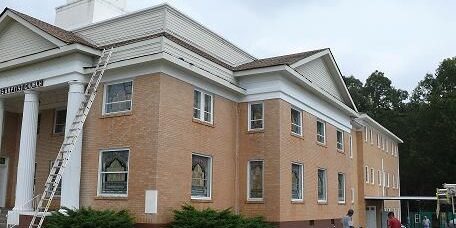
Churches are more than buildings—they are living, breathing hubs of community, worship, and outreach. When the time comes to expand or renovate, the stakes are high. Congregations must balance growth with stewardship, ensuring that every dollar is used wisely while minimizing disruptions to weekly services and ministry activities.
At RTF Construction, we understand the unique challenges churches face, especially across North Georgia where growth, aging facilities, and evolving ministry needs often collide. That’s why we advocate for a phased construction approach—a strategic, flexible method that allows churches to expand and improve their facilities over time without overwhelming their operations or finances.
If your church is considering a renovation or addition, this guide will walk you through how phased construction works, why it’s effective, and how to implement it successfully.
What Is Phased Church Construction?
Phased construction is exactly what it sounds like: breaking a large project into manageable stages rather than attempting to complete everything at once.
Instead of launching a full-scale renovation or expansion that disrupts operations and strains budgets, churches can:
-
- Prioritize the most urgent needs first
- Spread costs over multiple budget cycles
- Continue holding services and events with minimal interruption
- Adjust plans as needs evolve over time
This approach is particularly valuable for churches in North Georgia, where congregational growth often happens gradually and funding is closely tied to stewardship and capital campaigns.
Why Phasing Works for Churches
1. Minimizes Disruption to Worship and Ministry
Churches don’t have the luxury of “closing for renovations.” Weekly services, weddings, funerals, and community programs must continue.
A phased approach allows construction to happen in designated zones, keeping the rest of the facility operational. For example:
-
- Building a new sanctuary before renovating the old one
- Expanding classrooms while keeping existing ones functional
- Completing exterior upgrades without impacting indoor services
This ensures that ministry continues uninterrupted—a top priority for any congregation.
2. Aligns with Multi-Year Budgeting
Most churches operate on carefully planned annual budgets, often supplemented by capital campaigns or donations.
Phasing allows leadership to:
-
- Spread costs over several years
- Launch fundraising efforts in stages
- Avoid large upfront financial burdens
- Adjust plans based on giving trends
This financial flexibility is crucial for maintaining stability while still moving forward with growth.
3. Supports Strategic Growth
Church growth doesn’t always happen overnight. A phased plan allows your facility to grow in alignment with your congregation.
Instead of overbuilding too early or underbuilding for future needs, you can:
-
- Build what you need now
- Plan for what you’ll need next
- Expand as your congregation grows
This avoids wasted space, unnecessary costs, and logistical headaches down the road.
4. Enhances Decision-Making Over Time
When projects are broken into phases, church leadership has the opportunity to evaluate each stage before moving forward.
This means you can:
-
- Learn from earlier phases
- Adjust design elements based on real usage
- Incorporate new ideas or technologies
- Refine priorities as ministry needs evolve
Phased construction isn’t just flexible—it’s adaptive.
Key Phases in a Church Construction Strategy
While every project is unique, most church renovations and additions in North Georgia follow a similar phased structure.
Phase 1: Visioning and Master Planning
Before construction begins, it’s essential to develop a long-term master plan.
This includes:
-
- Assessing current facility limitations
- Identifying future growth needs
- Prioritizing ministry goals
- Creating a roadmap for all phases
A strong master plan ensures that each phase fits into a cohesive vision, preventing disjointed or inefficient development.
Phase 2: Immediate Needs and High-Impact Areas
The first construction phase typically focuses on the most pressing issues.
Common priorities include:
-
- Expanding overcrowded worship spaces
- Adding classrooms for children and youth
- Improving accessibility (ADA compliance)
- Upgrading outdated systems (HVAC, electrical, plumbing)
These improvements deliver immediate value and often generate momentum for future phases.
Phase 3: Expansion and Enhancement
Once core needs are addressed, the next phase focuses on growth and experience.
This may include:
-
- Fellowship halls or multipurpose spaces
- Administrative offices
- Outdoor gathering areas
- Parking expansions
At this stage, churches often begin to see how new spaces impact engagement and attendance.
Phase 4: Renovation of Existing Spaces
After new construction is complete, older areas can be renovated without disrupting operations.
Examples include:
-
- Converting old sanctuaries into community spaces
- Updating interiors for modern functionality
- Enhancing aesthetics and comfort
This phase allows churches to maximize the value of their existing footprint.
Phase 5: Future-Proofing and Final Enhancements
The final phase focuses on long-term sustainability and innovation.
This may involve:
-
- Energy-efficient upgrades
- Technology integration (AV systems, streaming capabilities)
- Landscaping and exterior improvements
- Additional expansions if growth continues
By this point, the church has a fully realized campus aligned with its mission and vision.
Planning a Phased Project: Best Practices
Start with a Clear Master Plan
Even though construction happens in stages, your vision should be unified from the beginning.
A comprehensive master plan ensures:
-
- Cohesive design across all phases
- Efficient use of land and resources
- Long-term cost savings
Skipping this step can lead to costly redesigns later.
Prioritize Communication
Church construction projects involve multiple stakeholders:
-
- Pastors and leadership teams
- Building committees
- Congregation members
- Contractors and architects
Clear, consistent communication is essential to keep everyone aligned and engaged throughout each phase.
Coordinate with Worship Schedules
One of the most critical aspects of church construction is timing.
Phased projects should be carefully scheduled to:
-
- Avoid major disruptions during Sundays and special events
- Align with seasonal attendance trends
- Minimize noise and accessibility issues
Experienced contractors understand how to work around these constraints.
Integrate Fundraising with Each Phase
Phased construction pairs naturally with capital campaigns.
Churches can:
-
- Launch targeted fundraising efforts for each phase
- Celebrate milestones with the congregation
- Build momentum through visible progress
For additional support, many churches explore non-profit fundraising resources designed specifically for capital campaigns, helping maximize participation and giving.
Choose the Right Construction Partner
Not all contractors understand the unique needs of church projects.
At RTF Construction, we specialize in working with churches across North Georgia, bringing:
-
- Sensitivity to worship environments
- Experience with phased construction strategies
- Clear communication with leadership teams
- Efficient project management to minimize disruption
Choosing a partner who understands your mission is just as important as choosing the right design.
Common Challenges—and How Phasing Solves Them
Challenge: Limited Budget
Solution: Spread costs across multiple years and align with fundraising efforts.
Challenge: Disrupting Weekly Services
Solution: Isolate construction zones and schedule work around key times.
Challenge: Uncertain Growth
Solution: Build in stages that can expand as needed.
Challenge: Maintaining Congregational Support
Solution: Show progress through visible phases, keeping members engaged and invested.
Why North Georgia Churches Benefit from Phased Construction
Churches in North Georgia face a unique combination of challenges:
-
- Rapid population growth in some areas
- Historic buildings requiring careful renovation
- Diverse congregational needs
- Budget-conscious leadership
A phased approach provides the flexibility needed to navigate these complexities while still achieving long-term goals.
Bringing Your Vision to Life
Church construction isn’t just about buildings—it’s about creating spaces where people connect, grow, and serve.
A phased approach allows your church to:
-
- Move forward with confidence
- Steward resources wisely
- Minimize disruption to ministry
- Build for both today and tomorrow
If your church is considering an addition or renovation, now is the time to start planning strategically.
Partner with RTF Construction
At RTF Construction, we’re committed to helping churches across North Georgia bring their vision to life through thoughtful, phased construction strategies.
From master planning to final build-out, we walk alongside your leadership team every step of the way—ensuring your project supports your mission without compromising your day-to-day operations.
👉 Learn more about our church construction services here: /churches/
A successful church renovation or expansion isn’t defined by how quickly it’s completed—but by how well it serves your congregation for years to come.
By embracing a phased approach, your church can grow intentionally, manage resources effectively, and continue its mission without interruption.
If you’re ready to start the conversation, RTF Construction is here to help you build with purpose—one phase at a time.