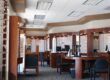

Managing a church expansion, sanctuary renovation, or ground-up building project is rarely just a matter of engineering and logistics. It is an exercise in faith, community, and human relations. Unlike traditional commercial developments driven strictly by return on investment, a house of worship serves a diverse body of members who all feel a deep personal ownership over the physical environment.
When a building committee sets out to navigate major renovations or additions, technical expertise is only half the equation. Soft skills—specifically consensus-building, clear communication, and managing high-stakes expectations—determine whether a project moves forward smoothly or stalls out in committee debates.
Understanding how to align congregational leadership, ministry directors, and the broader congregation around a shared vision ensures that project goals are met while maintaining unit and momentum.
1. Navigating Committee Dynamics: Low-Value vs. High-Value Priorities
Church building committees typically bring together passionate individuals with varied backgrounds—pastors focused on ministry, financial leaders focused on budgets, and ministry directors focused on space needs. Without structure, committee meetings can quickly get bogged down in granular debates over paint shades or seating styles while high-impact structural decisions fall behind schedule.
| Focus Area | Low-Value Discussion (Distractions) | High-Value Priorities (Strategic Impact) |
| Design & Architecture | Debating carpet swatches or paint colors early in planning. | Aligning floor plans with ministry growth and accessibility requirements. |
| Financial Planning | Arguing over minor cosmetic line-item costs. | Establishing long-term phasing strategies and value engineering plans. |
| Project Logistics | Micromanaging construction crew schedules day-to-day. | Establishing clear communication cadences and milestone sign-offs. |
| Leadership Direction | Trying to satisfy every individual preference. | Unifying key decision-makers behind a master vision before presenting to the church. |
To keep your committee focused on high-value goals:
- Establish explicit decision-making boundaries: Clarify early on which decisions rest with the core committee, which require pastoral board approval, and which are delegated to design and construction professionals.
- Implement a phased approval framework: Group decisions logically. For example, resolve scope, footprint, and overall budget before diving into interior finishes.
2. Strategies for Consensus-Building Across Diverse Stakeholders
Achieving 100% agreement across a church body is rarely realistic, but building broad alignment is essential. Friction usually stems from fear of change, financial anxiety, or feeling excluded from the process.
Listen First, Present Second
Before unveiling architectural renderings or budget proposals, conduct focused listening sessions with key ministry leaders (e.g., children’s ministry, worship team, facility management, and youth pastors). Understanding their daily operational friction points ensures the design solves real functional problems.
Frame Changes Through the Lens of Ministry Impact
Instead of presenting a project in terms of square footage and construction costs, articulate how the new space advances the church’s mission.
- Technical framing: “We are expanding the foyer by 2,000 square feet.”
- Ministry framing: “We are creating a dedicated connection space that allows new visitors to feel welcomed and build community after services.”
Proactively Address the “Heritage vs. Modernization” Balance
Older members often fear losing the historical identity of the church, while younger families may push for modern updates. Acknowledge both perspectives by incorporating historical elements into newly renovated spaces—such as rehoming stained glass, repurposing original woodwork, or featuring a dedicated history wall.
3. Communication Cadence: Keeping the Congregation Engaged
Uncertainty creates anxiety. When church members do not hear regular updates regarding a multi-million dollar capital initiative, they may assume the worst—cost overruns, project delays, or mismanaged funds.
A proactive communication schedule builds trust and maintains excitement throughout the project life cycle:
Vision Unveiling: Share initial 3D renderings, floor plans, and functional goals during a special congregational night or vision Sunday.
- Open Town Halls: Provide structured Q&A sessions where members can ask questions, voice concerns, and receive transparent answers regarding timelines and funding.
- Monthly Progress Dashboard: Maintain a dedicated physical board in the foyer and a digital updates page on your website showing milestone achievements, current construction phases, and financial tracking.
- Milestone Walkthroughs: Invite key committee members and leadership to safe, scheduled walkthroughs during critical project phases to build anticipation.
4. Managing Financial & Schedule Expectations (Without Losing Trust)
Nothing strains church harmony faster than unexpected budget increases or prolonged schedule shifts. Managing expectations requires absolute transparency and realistic planning from day one.
Embrace Value Engineering Early
Involve an experienced commercial general contractor during the early design phase rather than after architectural plans are finalized. A contractor experienced in church facilities can suggest alternate materials, structural systems, or phasing strategies that save hundreds of thousands of dollars without compromising the design intent.
Consider a Phased Master Plan
If fundraising or financing cannot cover the full scope immediately, avoid cutting corners on quality. Instead, adopt a phased construction strategy. Phase 1 might address immediate worship space expansion or essential structural repairs, while Phase 2 covers future educational wings or community spaces. This approach respects the church’s budget limits while keeping a long-term master plan intact.
Prepare for the Reality of Disruption
Renovations in active worship spaces mean noise, temporary rerouting, and altered service times. Establish clear site-safety protocols, secure staging areas, and coordinate closely with your contractor to ensure Sunday services and weekday ministries continue safely and smoothly.
5. Partnering with the Right Construction Team
Building or renovating a church requires a general contractor who understands more than just building codes, structural engineering, and timelines. It calls for a partner who respects the spiritual and communal importance of your facility, values clear communication with non-technical committees, and works with stewardship in mind.
At RTF Construction, we recognize that church building projects are about people, mission, and long-term community impact. Serving Metro Atlanta and North Georgia for over 25 years, our team works directly alongside pastors, building committees, and administrative leaders to deliver exceptional quality, clear cost transparency, and reliable scheduling.
Whether you are embarking on a ground-up sanctuary build, modernizing your current facilities, or developing a multi-phase master plan, we bring both technical excellence and a collaborative, people-first approach to your project.
- Exploring a project for your ministry? Learn more about our dedicated church construction and renovation services.
- Looking for broader guidance on non-profit board leadership and governance during major capital initiatives? Explore executive resources at the Evangelical Council for Financial Accountability (ECFA) or BoardSource.
Frequently Asked Questions (FAQ)
How do we handle disagreement on the church building committee?
Focus discussions on predefined ministry goals and operational needs rather than personal preferences. When disagreements arise over aesthetics or layout, evaluate each option against your project’s primary objective: Does this choice directly serve our ministry mission and fit within our approved budget?
How early should a contractor be involved in a church construction project?
Involving a commercial general contractor during the preliminary design phase (pre-construction) is ideal. Early contractor involvement allows for accurate cost estimating, realistic scheduling, and value engineering before architectural plans are locked in—saving both time and money.
What is the best way to present a major building budget to the congregation?
Present the budget with clarity, transparency, and narrative context. Combine financial totals with visual renderings and clear explanations of how the expanded space solves existing facility bottlenecks. Highlighting contingency funds and phased execution plans also helps reassure members that leadership is managing funds responsibly.