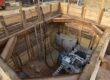

Jack and bore, also known as horizontal directional drilling (HDD), is a trenchless method used for installing underground utilities, pipelines, and conduits without the need for traditional open-cut excavation. This method has gained immense popularity in recent years due to its minimal environmental impact and reduced disruption to the surface area. However, successful jack and bore projects require careful planning and consideration of several key factors. In this blog, we will explore the top five Jack and Bore considerations to ensure your project’s success.
1. Geotechnical Assessment:
Before embarking on a jack and bore project, it is crucial to conduct a thorough geotechnical assessment of the site. This assessment involves studying the soil and rock conditions to determine the feasibility and price of the project. Factors such as soil type, compaction, pit size, and the presence of rocks can greatly impact the drilling process and size of the sleeves required. The presence of rock with a compression strength greater than 10,000 psi usually results in the need for more complex heads and bits, as well as larger casings.
2. Bore Path Design:
The bore path design is a critical element of any jack and bore project. It involves planning the trajectory and alignment of the bore, considering existing utilities, obstacles, and environmental considerations. Proper bore path design can help avoid costly and time-consuming re-routes; however, it is also important to work closely with the site team and engineer to re-route when necessary to avoid costly drill operations. RTF Construction’s bore team recently re-routed a prospective sewer line and bore operation resulting in a $200,000 cost savings to the client.
3. Environmental Impact Assessment:
Jack and bore projects are often chosen for their minimal environmental impact, but that doesn’t mean that no considerations are necessary. An environmental impact assessment should be conducted to evaluate the potential consequences of the project on the surrounding environment. This may include assessing the impact on water bodies, vegetation, and wildlife. Depending on the findings, mitigation measures or permits may be required to ensure the project complies with environmental regulations.
4. Utility Location and Avoidance:
One of the most crucial considerations in jack and bore projects is the accurate location of existing utilities. Accidental damage to water, gas, electrical, or telecommunication lines can result in costly repairs and safety hazards. It is essential to use state-of-the-art utility locating technology, such as ground-penetrating radar and electromagnetic induction, to identify and map the exact locations of existing utilities within the bore path. When a utility’s elevation and azimuth can’t be precisely located, a hydro vac truck is an option to effectively locate utilities without damage. RTF Construction has used these on many occasions to put eyes on utilities.
5. Contingency Planning:
Despite meticulous planning, unforeseen challenges can still arise during jack and bore projects. To minimize project delays and cost overruns, it is vital to have a well-defined contingency plan in place. This plan should outline strategies for dealing with issues like equipment malfunctions, unexpected soil conditions, or obstacles encountered during drilling. This should include material acquisitions based on the original plan. For example, when one of our bores was re-routed, our five fixed invert structures became obsolete, resulting in an expense to our client. Having contingencies in place will help keep the project on track and within budget.
Conclusion
Jack and bore projects offer a trenchless solution for installing underground utilities and pipelines with minimal surface disruption. However, their success depends on careful consideration of geotechnical, design, environmental, utility location, and contingency factors. By addressing these top five jack and bore considerations, you can increase the likelihood of a successful and efficient project while minimizing potential risks and complications. Always remember that a well-planned jack and bore project executed by a reputable contractor can benefit both your organization and the environment.
For questions regarding RTF General Contractors and how our firm can help you realize your next commercial construction project, please feel free to reach out today.