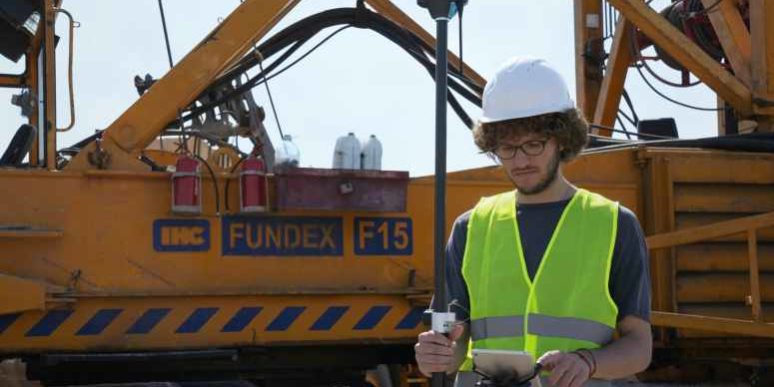
Artificial Intelligence / Smart Technology Integration:
1. Project Management:
- Schedule optimization: AI algorithms analyze project data, historical patterns, and real-time information to optimize project schedules, identify potential delays, and suggest alternative strategies.
- Risk Mitigation: AI-based predictive analytics help identify and manage potential risks by analyzing historical data, project variables, and external factors.
2. Energy Management:
- Smart building controls: AI-powered systems optimize energy consumption by analyzing data from sensors, weather forecasts, and occupant behavior to regulate lighting, HVAC, and other building systems.
- Energy analytics: AI algorithms analyze energy usage patterns, identify inefficiencies, and provide recommendations for optimizing energy performance and reducing operational costs.
3. Facilities Management:
- Tenant experience: AI-powered chat bots or virtual assistants provide occupants with information, assistance, and personalized services within commercial buildings.
- Predictive analytics: AI analyzes data from building systems, weather forecasts, and historical patterns to optimize maintenance schedules, predict equipment failures, and improve operational efficiency.
Sustainable Building Practices / Green Building Trends:
- Net-zero energy buildings: The focus is on constructing buildings that generate as much energy as they consume, primarily through renewable energy sources and energy-efficient design.
- Green certifications: Buildings are being designed and constructed to meet or exceed various green building certifications such as LEED (Leadership in Energy and Environmental Design) or BREEAM (Building Research Establishment Environmental Assessment Method) to demonstrate their sustainability.
- Energy-efficient systems: The adoption of energy-efficient HVAC systems, lighting solutions, insulation, and smart building controls help reduce energy consumption and minimize environmental impact.
Modular Construction Techniques / Pre-fabricated Building Trends:
- Off-site prefabrication: Modular construction involves the manufacturing of building components off-site in a controlled environment, which are then transported to the construction site for assembly. This approach improves construction speed, reduces waste, and enhances quality control.
- Design for modular: Architects and engineers are increasingly designing buildings with modular construction in mind to optimize on site time with the use the use of standardization, repeatability, and ease of assembly.
- Hybrid construction: A combination of traditional construction methods and modular techniques is being used to leverage the benefits of both approaches, enabling faster project delivery while maintaining design flexibility.
For questions regarding RTF General Contractors and how our firm can help you realize your next commercial construction project, please feel free to reach out today.