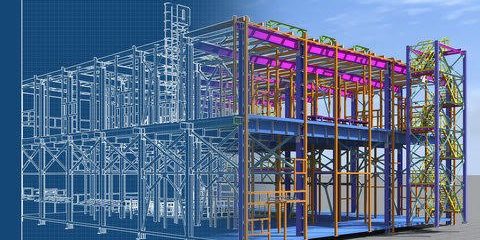
In the dynamic landscape of commercial construction, staying ahead of the curve is essential for success. One technological innovation that has revolutionized the industry is Building Information Modeling (BIM). This sophisticated and collaborative approach to project management and design has become a game-changer, offering a myriad of benefits to stakeholders involved in commercial construction. In this blog post, RTF Construction will delve into the diverse uses of BIM in commercial construction and how it is reshaping the way projects are conceived, planned, and executed.
- Enhanced Collaboration and Communication: BIM acts as a centralized platform that brings together architects, engineers, contractors, and other stakeholders in a shared digital environment; thus, fostering improved collaboration and communication among team members, breaking down silos and ensuring that everyone is on the same page throughout the project lifecycle.
- Efficient Project Planning and Design: BIM allows for comprehensive 3D modeling, enabling team members to visualize the entire project before construction begins. This not only aids in better design decision-making but also helps identify and rectify potential issues in the planning phase, reducing costly changes during construction.
- Accurate Cost Estimation: With BIM, accurate and detailed cost estimations can be generated early in the project lifecycle. This helps in budget planning, allowing stakeholders to make informed decisions about materials, construction methods, and other cost related aspects, ultimately preventing cost overruns.
- Streamlined Construction Management: BIM provides a digital representation of the construction process, allowing for efficient project management. Construction sequencing,
scheduling, and resource allocation can be optimized, leading to improved productivity and on-time project delivery.
- Clash Detection and Risk Mitigation: BIM’s clash detection capabilities help identify potential conflicts and interferences in the design phase. By addressing these issues early on, the risk of delays, rework, and cost overruns is significantly reduced, ensuring a smoother construction process.
- Facility Management and Maintenance: Beyond construction, BIM continues to add value in the post-construction phase. The digital model created during the project becomes an asset for facility management, allowing owners to efficiently manage and maintain the building throughout its lifecycle.
- Sustainability Integration: BIM facilitates the integration of sustainable design principles into the construction process. By analyzing energy usage, material choices, and other environmental factors during the design phase, BIM enables stakeholders to make informed decisions that contribute to the overall sustainability of the project.
- Improved Safety Planning: BIM can be utilized to enhance safety planning by simulating construction sequences and identifying potential safety hazards. This proactive approach contributes to a safer working environment for construction teams.
Conclusion
Building Information Modeling has emerged as a cornerstone in modern commercial construction, offering a holistic and efficient approach to project management and design. From enhanced collaboration to streamlined construction management and sustainable design integration, the uses of BIM are as diverse as they are impactful. As the construction industry continues to evolve, embracing BIM is not just a technological advancement but a strategic imperative for those seeking to thrive in the competitive landscape of commercial construction.
For questions regarding RTF General Contractors and how our firm can help you realize your next commercial construction project, please feel free to reach out today.