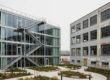
As the healthcare industry evolves to meet the demands of a growing and aging population, the construction of medical facilities has experienced significant advancements. Medical building construction is now defined by its focus on patient-centered care, sustainability, technological integration, and adaptability. At RFT Construction, we understand the importance of staying ahead of these trends to deliver cutting-edge facilities that meet the dynamic needs of healthcare providers and their patients. Let’s explore some of the most impactful trends shaping the future of medical building construction.
1. Patient-Centered Design
Modern healthcare facilities prioritize the comfort and well-being of patients. This trend has given rise to innovative designs that create a calming and healing environment. Features such as:
- Natural Light: Strategically placed windows and skylights reduce stress and promote healing by providing ample natural light.
- Private Rooms: Offering patients privacy and reducing the risk of cross-contamination.
- Soothing Interiors: Use of warm colors, natural materials, and biophilic design elements to enhance patient comfort.
Healthcare providers are increasingly opting for spaces that support emotional and physical healing, and patient-centered design is central to achieving this.
2. Telemedicine-Ready Facilities
The rise of telemedicine has transformed the way healthcare is delivered. Medical building construction now incorporates telemedicine suites and digital infrastructure to support virtual consultations. Key elements include:
- Telehealth Rooms: Private, soundproof rooms equipped with video conferencing technology.
- Integrated IT Systems: Robust networks that enable seamless communication between patients and providers.
- Wearable Device Integration: Spaces designed to support remote monitoring technologies.
These features ensure that facilities can cater to both in-person and virtual patient interactions, broadening the scope of healthcare delivery.
3. Sustainability in Design and Construction
Sustainability is no longer optional in medical building construction. It is an essential consideration for reducing environmental impact and creating cost-efficient facilities. Green construction practices include:
- Energy-Efficient HVAC Systems: Advanced heating, ventilation, and air conditioning systems that reduce energy consumption.
- Renewable Energy: Incorporating solar panels and other renewable energy sources.
- Sustainable Materials: Use of low-VOC paints, recycled materials, and certified sustainable wood.
LEED-certified healthcare facilities are becoming more common as healthcare providers seek to align with global sustainability goals.
4. Technology Integration
Technology is at the forefront of innovation in medical building construction. From advanced diagnostic tools to smart building systems, technology enhances operational efficiency and patient outcomes. Examples include:
- Automated Systems: Smart lighting, temperature controls, and automated doors improve energy efficiency and reduce operational costs.
- Digital Wayfinding: Interactive kiosks and mobile apps help patients navigate complex healthcare facilities.
- AI-Powered Tools: Incorporation of artificial intelligence for patient monitoring and predictive maintenance of building systems.
By integrating these technologies, medical buildings are better equipped to meet the demands of modern healthcare.
5. Modular Construction
The demand for faster project completion and cost-effective solutions has driven the adoption of modular construction in medical facilities. Benefits of modular construction include:
- Reduced Construction Time: Prefabricated modules are manufactured off-site and assembled on-site, speeding up the construction process.
- Cost Savings: Efficient use of materials and labor reduces overall costs.
- Flexibility: Modular components can be easily reconfigured or expanded to adapt to changing needs.
Modular construction is particularly valuable for urgent care centers and temporary medical facilities.
6. Focus on Infection Control
Infection prevention remains a critical aspect of medical building design. Recent trends emphasize the use of materials and systems that reduce the spread of pathogens. Key innovations include:
- Antimicrobial Surfaces: Use of materials that actively inhibit the growth of bacteria and viruses.
- Touchless Technology: Automatic doors, faucets, and lighting reduce physical contact points.
- Enhanced Ventilation: HVAC systems with HEPA filters and negative pressure rooms improve air quality and control contamination.
These measures ensure the safety of both patients and healthcare workers.
7. Flexible and Adaptive Spaces
Healthcare needs are constantly evolving, and medical facilities must be designed with adaptability in mind. Flexible spaces allow for:
- Future Expansion: Structural designs that accommodate additional floors or wings.
- Multi-Functional Rooms: Spaces that can transition between different uses, such as exam rooms doubling as procedure rooms.
- Reconfigurable Layouts: Movable walls and modular furniture allow for quick adjustments.
Adaptable facilities ensure longevity and relevance in a rapidly changing healthcare landscape.
8. Enhanced Collaboration Areas
Collaboration among healthcare professionals is vital for delivering high-quality care. Modern medical buildings incorporate spaces that encourage teamwork and communication, such as:
- Team Workspaces: Open areas for brainstorming and collaboration.
- Conference Rooms: Equipped with advanced audiovisual technology for virtual and in-person meetings.
- Break Areas: Comfortable spaces that promote staff well-being and productivity.
These design elements foster a culture of collaboration and innovation within healthcare facilities.
9. Focus on Behavioral Health
With increasing awareness of mental health, specialized facilities are being designed to cater to behavioral health needs. These spaces feature:
- Calming Environments: Natural light, soothing colors, and private areas.
- Safe Designs: Ligature-resistant fixtures and furniture to ensure patient safety.
- Therapeutic Spaces: Outdoor gardens, sensory rooms, and group therapy areas.
Behavioral health facilities are becoming an integral part of comprehensive healthcare systems.
Partnering with RFT Construction
At RFT Construction, we pride ourselves on staying at the forefront of these trends in medical building construction. Our expertise in designing and building state-of-the-art healthcare facilities ensures that your project meets the highest standards of innovation, sustainability, and functionality. To learn more about our capabilities, visit our Medical Building Gallery.
Whether you’re planning a new hospital, outpatient clinic, or specialized care center, RFT Construction is here to bring your vision to life. Contact us today to discuss how we can help you create a facility that supports cutting-edge healthcare delivery.
By embracing these trends, the future of medical building construction promises to deliver facilities that are not only efficient and adaptable but also focused on enhancing patient experiences and outcomes. As the industry continues to evolve, RFT Construction remains committed to leading the way in innovative and sustainable healthcare facility construction.