When it comes to building or renovating a commercial space, one aspect of the process must remain at the forefront from start to finish: construction safety. While clients often focus on timelines, budgets, and results, safety is the foundation that allows every other project objective to be achieved successfully. At RTF Construction, we know that a safe jobsite isn’t just a regulatory requirement—it’s a commitment to protecting people, ensuring quality, and building trust.
Let’s explore why construction safety is so vital, what core practices and regulations guide it, and how RTF Construction integrates safety into every project we touch. If you’re planning a renovation, expansion, or new build, understanding these principles will give you confidence that your project is in the right hands.
Why Construction Safety Matters
Construction is one of the most dynamic and high-risk industries in the country. With heavy equipment, elevated work surfaces, electrical systems, and multiple trades working simultaneously, even a single oversight can have serious consequences. Effective safety practices protect workers, property, and the project’s overall success.
1. Protecting Workers and Preventing Injuries
First and foremost, construction safety is about people. Creating a work environment where team members feel protected and empowered to do their jobs safely is essential. Injuries can affect families, delay projects, and contribute to long-term health issues. A proactive safety culture prevents hazards before they occur.
2. Reducing Delays and Costly Mistakes
Accidents don’t just endanger workers—they disrupt schedules, increase costs, and impact quality. When a jobsite experiences downtime due to incidents, the ripple effect can delay inspections, subcontractor schedules, and even grand openings. By reducing risk, projects are more likely to stay on track.
3. Ensuring Compliance With Federal and State Regulations
The Occupational Safety and Health Administration (OSHA) sets standards for safe construction practices nationwide. Following OSHA regulations is both a legal requirement and an ethical responsibility. Beyond compliance, it signals professionalism and reliability—a must-have in today’s competitive construction landscape.
To explore more about OSHA construction standards, visit OSHA.
Core Regulations That Keep Jobsites Safe
A well-structured construction safety program involves understanding and applying the guidelines that protect workers and the public. Some core OSHA regulations that shape safe project delivery include:
Fall Protection Standards
Falls are consistently one of the leading causes of injuries in construction. OSHA requires fall protection measures for work on elevated surfaces, scaffolding, ladders, and rooftops. These regulations include guardrails, harness systems, and training protocols.
Hazard Communication Protocols
Construction sites often involve materials that can be hazardous if handled improperly. OSHA’s Hazard Communication Standard requires proper labeling, safety data sheets, and worker training to minimize exposure risks.
Electrical Safety Measures
Electrical hazards—from exposed wires to temporary power installations—can cause severe injuries. OSHA’s electrical safety standards ensure that only qualified personnel handle these systems and that lockout/tagout procedures are strictly followed.
Scaffolding Requirements
Properly assembled and inspected scaffolding is essential for elevated work. OSHA mandates weight capacity limits, guardrails, access points, and routine inspections to prevent collapse or falls.
Personal Protective Equipment (PPE)
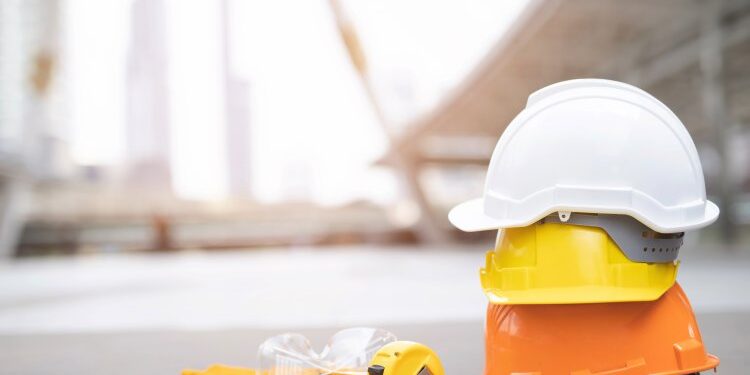
From hard hats and safety vests to eyewear and gloves, PPE is essential for daily operations. OSHA requires employers to provide the necessary equipment and training on proper use.
These regulations set the baseline, but companies committed to excellence go beyond minimum requirements—something we take seriously at RTF Construction.
RTF Construction’s Commitment to Construction Safety
Safety isn’t just a checklist for us—it’s part of our identity. Every commercial build, renovation, and tenant improvement project begins with a mindset of protecting our team, our clients, and our partners.
Here’s how we put that belief into action.
1. Comprehensive Safety Training for Every Team Member
Before a worker ever sets foot on a jobsite, they go through rigorous training. This includes OSHA guidelines, equipment operation, hazard recognition, emergency response, and trade-specific safety protocols. Training is ongoing, not one-and-done, ensuring our crews stay current on best practices.
2. Daily Jobsite Safety Assessments
Each morning, our project leads conduct safety inspections to identify potential hazards. These include:
- Reviewing equipment condition
- Checking PPE compliance
- Confirming safe access to all work areas
- Identifying weather-related risks
- Reviewing site-specific hazards
This proactive approach reduces preventable incidents and reinforces awareness among all team members.
3. Strong Communication and Reporting Culture
A safe site is one where workers feel comfortable speaking up. RTF Construction maintains an open-door policy for reporting concerns or unsafe conditions. Whether it’s a loose handrail, a faulty cord, or insufficient lighting, we encourage our team to report issues immediately. Addressing small hazards prevents bigger ones.
4. Partnerships With Certified Trade Professionals
Many construction safety risks arise when untrained or underqualified personnel perform high-risk tasks. RTF Construction works only with licensed, vetted subcontractors who align with our safety standards. Before any subcontractor begins work, they must review and sign off on our safety expectations.
5. Equipment Maintenance and Inspections
Nothing compromises safety like equipment failure. Our tools, vehicles, lifts, and machinery undergo routine inspections and maintenance to ensure they operate at peak performance. When equipment does not pass inspection, it is removed from service immediately.
6. Site-Specific Safety Plans
Every project is unique—and so are its safety needs. We create customized safety plans that account for building layout, trade sequencing, public access, and environmental concerns. This tailored approach minimizes risk and maximizes efficiency.
7. Emergency Preparedness
Accidents can happen, even with the best preventative measures. That’s why we prepare every jobsite with:
- Clear emergency action plans
- Accessible first-aid kits
- Trained point-of-contact responders
- Posted evacuation routes
Preparation minimizes harm and provides a clear chain of action when time matters most.
How Safety Benefits Our Clients
While safety directly protects workers, it also brings significant advantages to property owners, tenants, investors, and business stakeholders.
1. Higher Quality Work
A safe jobsite is an organized jobsite. Minimizing hazards means fewer distractions, better focus, and higher quality craftsmanship.
2. On-Time and On-Budget Delivery
Accident-free jobs stay on schedule. Safety keeps your project moving forward without unexpected shutdowns, delays, or added costs.
3. Reduced Liability
Strong safety practices help shield clients from potential legal exposure. When a certified, safety-focused contractor leads your project, you reduce the risk of incident-related claims.
4. Better Team Morale and Productivity
Workers who feel safe work smarter and more efficiently. Confidence in a secure environment improves morale, retention, and productivity—all of which benefit the end project.
A Culture of Safety Builds Long-Term Trust
Construction safety is not an isolated action—it’s a culture. At RTF Construction, we’ve found that the more we invest in safety, the more we invest in long-term partnerships with our clients. When you work with a contractor committed to protecting every person and every detail, you gain peace of mind knowing your project is being handled responsibly.
As we continue to expand our services across the Southeast, we remain fully committed to upholding the highest safety standards and exceeding OSHA expectations.
For additional tips and insights on safe construction practices, visit our News (Safety Tips) page.
For more information on federal construction safety guidelines, explore OSHA.
Construction safety isn’t just a requirement—it’s a responsibility. It protects workers, project timelines, budgets, and the integrity of the finished space. At RTF Construction, we believe that excellence in safety leads to excellence in results. When every team member goes home safely each day, and every project is delivered with precision and care, we know we’ve fulfilled our mission.
If you’re planning a commercial renovation or new build and want a partner committed to craftsmanship and safety at every step, RTF Construction is here to support you.