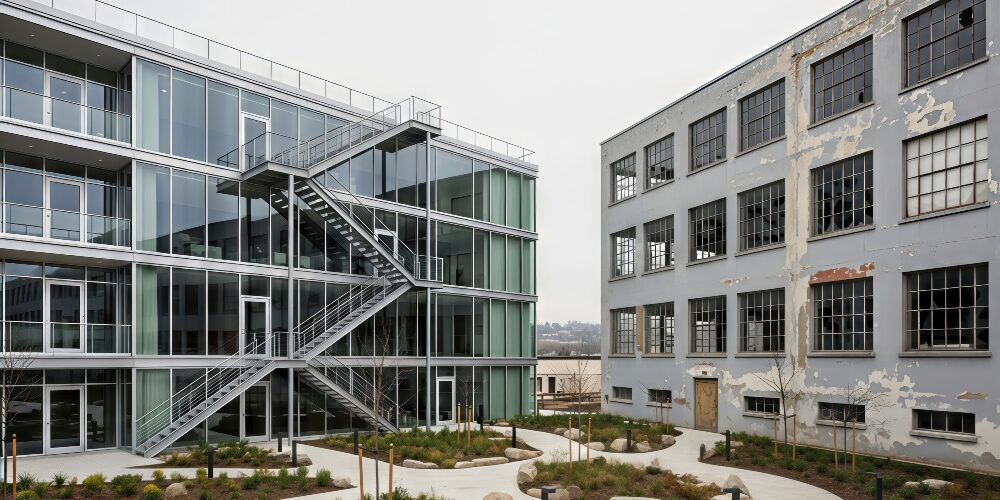
Historic buildings tell the story of North Georgia — from early 20th-century downtown storefronts to textile mills, railway depots, and landmark commercial properties. For investors and property owners, these structures represent more than architectural beauty — they represent opportunity.
At RTF Construction, we specialize in restoring and renovating historic commercial buildings while protecting their architectural integrity and maximizing financial return. In this guide, we break down Historical Building Renovation Tax Credits GA, outline available incentives, and explain the regulatory hurdles you must navigate when preserving high-value historic properties in North Georgia.
If you’re exploring a historic commercial project, you can learn more about our expertise on our /historical-renovations/ service page.
Why Historic Renovations Make Financial Sense
Many property owners assume historic renovations cost more than new construction — and while they can require specialized craftsmanship, tax incentives and grants often offset those costs significantly.
In Georgia, historic preservation incentives can:
- Reduce state income tax liability
- Provide federal income tax credits
- Increase property value
- Attract tenants seeking character-rich environments
- Strengthen community positioning and long-term asset stability
For investors focused on downtown redevelopment in cities like Dahlonega, Blue Ridge, Rome, Gainesville, or Cartersville, historic tax credits can dramatically improve ROI.
What Qualifies as a Historic Building in Georgia?
To access tax credits and preservation incentives, your building typically must:
- Be listed on the National Register of Historic Places or
- Be located within a registered historic district and certified as contributing to that district.
In Georgia, oversight for these programs is handled by the Georgia Historic Preservation Division (HPD), which reviews and approves applications for state and federal programs.
Understanding eligibility early in your planning process is critical. Not all old buildings qualify — and improper renovation work can jeopardize approval.
Georgia State Historic Tax Credit Program
Georgia offers one of the most competitive state historic tax credit programs in the Southeast.
Key Benefits
- 25% state income tax credit for qualified rehabilitation expenses (QREs)
- Annual cap (subject to program guidelines)
- Available for both income-producing and some owner-occupied properties
For commercial, income-producing properties in North Georgia, this incentive can represent hundreds of thousands — sometimes millions — in tax savings on high-value projects.
Example Scenario
If a commercial property owner invests $2,000,000 in qualified rehabilitation expenses:
- 25% Georgia State Tax Credit = $500,000 in potential tax credits
When paired with the federal credit (explained below), total incentives can approach 45% of qualified costs.
Federal Historic Rehabilitation Tax Credit (20%)
Income-producing historic properties may also qualify for the Federal Historic Tax Credit (HTC).
Key Features
- 20% federal income tax credit
- Must follow Secretary of the Interior’s Standards for Rehabilitation
- Strict compliance with preservation guidelines
Using the same $2,000,000 renovation example:
- 20% Federal Credit = $400,000
- 25% Georgia State Credit = $500,000
- Potential Total = $900,000 in tax credits
For investors and developers, these incentives significantly reduce effective project cost and improve long-term yield.
What Counts as “Qualified Rehabilitation Expenses” (QREs)?
Understanding which costs qualify is essential for accurate budgeting.
Typically eligible:
- Structural repairs
- Roof replacement
- HVAC, plumbing, and electrical systems
- Masonry restoration
- Window restoration (if compliant with standards)
- Interior renovations tied to preservation
Typically not eligible:
- New additions outside the historic footprint
- Furniture and equipment
- Landscaping
- Acquisition costs
An experienced contractor familiar with historic compliance ensures your project scope aligns with QRE requirements — protecting your eligibility.
Regulatory Hurdles in Historic Renovations
While incentives are generous, the compliance process requires diligence.
1. Design Review & Approval
All work must align with federal preservation standards. This includes:
- Maintaining original façade character
- Preserving defining architectural elements
- Avoiding inappropriate modern alterations
- Using historically appropriate materials
The Georgia Historic Preservation Division reviews applications in phases:
- Part 1: Certification of historic significance
- Part 2: Review of proposed rehabilitation plans
- Part 3: Verification after project completion
Failure to secure approvals before construction can disqualify your tax credits.
2. Structural & Code Challenges
Historic commercial buildings often present hidden challenges:
- Outdated structural framing
- Brick deterioration
- Lack of fire suppression systems
- ADA accessibility gaps
- Mechanical systems retrofits
Balancing code compliance with preservation standards requires strategic engineering and creative construction methods.
For example:
- Installing modern HVAC without damaging historic ceilings
- Reinforcing floors for new commercial loads
- Integrating fire protection systems discreetly
These challenges require experience, precision, and strong communication between contractor, architect, and preservation authorities.
3. Materials & Craftsmanship Requirements
Historic renovations often demand:
- Custom millwork
- Specialty masonry repair
- Historically accurate window restoration
- Lime-based mortars instead of modern cement
Improper materials can cause structural damage or result in failed inspections.
Choosing a contractor experienced in historic construction ensures craftsmanship aligns with both structural performance and preservation guidelines.
North Georgia Market Opportunity
Downtown revitalization efforts across North Georgia have created strong demand for:
- Mixed-use retail spaces
- Boutique hospitality projects
- Adaptive reuse office environments
- Upscale restaurants and experiential retail
Historic properties provide a competitive advantage — tenants and customers are drawn to authenticity.
From charming courthouse square properties to industrial-era buildings ready for adaptive reuse, historic structures offer both character and long-term asset value.
Budget Planning for Historic Renovations
While tax credits offset costs, historic renovations still require careful financial planning.
Typical Cost Ranges
Commercial historic renovations in North Georgia often range between:
- $150–$350 per square foot, depending on scope
- Higher for specialty structural stabilization or adaptive reuse
Key cost drivers:
- Structural reinforcement
- Environmental remediation (lead paint, asbestos)
- Roofing and masonry restoration
- Utility modernization
However, when factoring in state and federal tax credits, the effective net cost can be significantly reduced.
Best Practices for Maximizing Historic Tax Credits in Georgia
1. Start With Eligibility Confirmation
Confirm National Register status or district contribution before design begins.
2. Involve Preservation Experts Early
Design decisions made too late can jeopardize compliance.
3. Document Everything
Photographs before, during, and after construction are required for final certification.
4. Avoid Premature Demolition
Do not begin demolition until your Part 2 application is approved.
5. Choose an Experienced Contractor
Historic preservation is not standard commercial construction. It requires specialized planning, sequencing, and documentation.
Why Experience Matters in Historic Commercial Renovations
At RTF Construction, we understand the balance between preservation integrity and modern functionality. Historic commercial projects require:
- Strategic phasing
- Precise cost forecasting
- Skilled trades familiar with older materials
- Proactive regulatory coordination
Our team works closely with property owners, architects, and preservation officials to ensure projects remain compliant while delivering strong financial performance.
If you’re exploring a historic commercial renovation in North Georgia, visit our /historical-renovations/ page to learn how we help property owners protect legacy assets while unlocking their full potential.
Preserving the Past, Building the Future
Historic buildings are more than structures — they are investments in community identity and long-term value. With Georgia’s generous tax credit programs and strong downtown revitalization momentum, historic renovations represent one of the most compelling opportunities for commercial property owners today.
By understanding Historical Building Renovation Tax Credits GA, navigating regulatory requirements with precision, and assembling the right construction team, investors can transform historic properties into thriving commercial assets.
If you’re ready to explore the financial and architectural potential of your historic building, RTF Construction is ready to guide you from concept to completion — preserving character while protecting your bottom line.