In recent years, sustainability has shifted from an optional consideration to a defining standard in the construction industry. The emphasis on sustainable construction is stronger than ever—driven by innovation, regulation, and an increasingly eco-conscious client base. For RTF Construction, this evolution represents more than an industry trend—it’s a commitment to building responsibly, efficiently, and with a vision for the future.
In this post, we’ll explore the top sustainable construction trends shaping 2025, the technologies behind them, and how they’re influencing future projects.
1. Smarter, Greener Materials
A major driver of sustainability in 2025 is the rise of eco-friendly building materials that balance strength, efficiency, and recyclability. Traditional concrete and steel are being joined—or even replaced—by innovative materials designed to reduce environmental impact.
Key examples include:
- Carbon-capturing concrete: This new generation of concrete actively absorbs CO₂ from the atmosphere as it cures. It’s one of the most promising solutions for reducing emissions in one of construction’s most carbon-intensive materials.
- Cross-laminated timber (CLT): This engineered wood product offers remarkable strength and versatility. Its renewable nature and lower carbon footprint make it ideal for mid-rise buildings, offices, and mixed-use developments.
- Recycled and reclaimed materials: From steel beams to glass and even bricks, the use of reclaimed materials has surged. These materials not only reduce waste but also add character and history to modern builds.
At RTF Construction, we’ve seen firsthand how selecting the right materials can significantly impact both project efficiency and long-term sustainability. Many of our partners are now requiring life-cycle assessments (LCAs) as part of their design process—a shift that ensures each component’s environmental impact is measured and minimized.
2. Energy Efficiency as a Baseline Standard
In 2025, energy efficiency isn’t just a goal—it’s a baseline expectation. Both residential and commercial projects are now designed to perform better and consume less energy throughout their lifespan.
Key features of energy-efficient construction include:
- High-performance insulation that minimizes heating and cooling demand.
- Smart HVAC systems that adapt to occupancy and weather conditions.
- LED and smart lighting, which reduces waste through automation.
- Passive solar design strategies that maximize natural light and ventilation.
One of the most impactful advancements in energy efficiency is the use of digital twins—virtual models that simulate how a building performs under real-world conditions. These tools allow contractors and developers to test different designs, materials, and systems to achieve the highest possible energy performance before construction even begins.
For RTF Construction, implementing these technologies helps clients achieve both environmental goals and cost savings, positioning their projects for long-term success.
3. Renewable Energy Integration
A defining feature of sustainable construction in 2025 is the seamless integration of renewable energy systems into building design. The technology has advanced beyond rooftop solar panels—today’s projects incorporate energy solutions from the ground up.
Some emerging examples include:
- Solar-integrated roofing and facades: Thin-film solar materials can now be embedded into windows and building exteriors, allowing energy generation without compromising aesthetics.
- Geothermal systems: These systems use the earth’s stable temperatures to heat and cool buildings, drastically reducing reliance on fossil fuels.
- Battery storage and microgrids: Onsite storage solutions are now standard for large developments, ensuring continuous power even during grid outages.
By combining renewable systems with smart energy management, modern buildings can operate as net-zero or even net-positive structures—producing more energy than they consume. RTF Construction continues to work with developers who see these systems not as expenses, but as long-term investments in energy independence and resilience.
4. Modular and Prefabricated Construction
Modular construction has evolved from a niche trend to a mainstream solution in 2025, offering both sustainability and speed. Prefabricated components are produced in controlled environments, reducing waste, energy consumption, and construction time on-site.
Sustainability benefits include:
- Reduced material waste through precision manufacturing.
- Lower transportation emissions thanks to compact, just-in-time delivery.
- Improved worker safety by limiting on-site labor exposure.
Moreover, modular techniques are now being paired with sustainable materials and renewable energy systems, allowing entire buildings to be assembled with minimal environmental impact. RTF Construction continues to explore modular systems for commercial and retail builds, particularly where timelines and sustainability requirements intersect.
5. Water Conservation and Stormwater Management
With increasing concerns about water scarcity and urban runoff, 2025 has brought a heightened focus on water-efficient construction practices. These strategies not only conserve resources but also protect local ecosystems and infrastructure.
Modern projects now incorporate:
- Greywater recycling systems for irrigation and non-potable uses.
- Low-flow fixtures that maintain performance while reducing consumption.
- Permeable pavements and green roofs that absorb rainwater and reduce runoff.
In urban developments, smart irrigation systems—connected to weather sensors—ensure landscapes are watered only when necessary. For RTF Construction, integrating these systems aligns with our broader mission of creating efficient, environmentally responsible spaces that serve both the people who use them and the communities around them.
6. Circular Economy and Deconstruction Practices
The concept of a circular economy—where materials are reused, recycled, or repurposed at the end of a building’s life—is gaining traction across the construction industry. Rather than demolishing and discarding, contractors are now focusing on deconstruction, carefully dismantling structures to recover materials for future use.
This approach is supported by:
- Digital material passports that track the origin, composition, and reuse potential of building components.
- Recycling hubs that process construction waste locally.
- Design for disassembly principles that make it easier to reuse building elements.
RTF Construction has seen clients increasingly request projects that incorporate these principles, recognizing that waste reduction is not only environmentally sound but also economically beneficial. As cities evolve, this practice will play a vital role in sustainable urban renewal.
7. Smart Technology and Data-Driven Building Management
The fusion of sustainability and technology continues to redefine how buildings operate post-construction. In 2025, smart building systems have become the nerve centers of sustainable design, using data to optimize performance, reduce waste, and anticipate maintenance needs.
Some key applications include:
- IoT-enabled monitoring for air quality, lighting, and temperature.
- AI-powered energy management systems that adapt to occupant behavior.
- Predictive maintenance that reduces costly repairs and extends system life.
At RTF Construction, incorporating these technologies during the build phase ensures clients can manage their facilities more effectively. The result is a structure that’s not only efficient on day one but continues to evolve and improve throughout its life.
8. Green Certifications and Regulatory Momentum
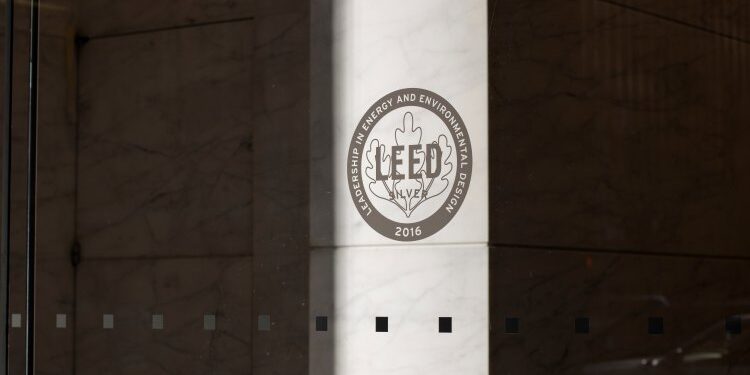
As sustainability becomes embedded in public policy and corporate responsibility, green building certifications like LEED, WELL, and BREEAM are now standard benchmarks. However, 2025 brings an important shift—beyond certification, stakeholders are demanding measurable, transparent results.
Governments and local authorities are introducing stricter energy codes and carbon reporting requirements. For builders like RTF Construction, staying ahead of these changes means proactively adopting sustainable methodologies and documentation systems.
These evolving standards underscore a larger truth: sustainability is not a trend to chase, but a foundation to build on.
9. Community-Centered Design
Finally, sustainable construction in 2025 extends beyond materials and energy—it’s also about social sustainability. Developers and builders are increasingly focused on creating spaces that foster connection, inclusivity, and long-term livability.
From mixed-use developments with accessible public spaces to adaptive reuse projects that preserve local history, this movement reflects a broader shift in values. Sustainable construction isn’t just about doing less harm—it’s about doing more good.
At RTF Construction, we believe the most sustainable projects are those that serve people and planet equally. Whether it’s through energy-efficient offices, eco-conscious retail spaces, or adaptive renovations, we’re committed to building environments that enhance quality of life and reduce environmental impact.
Looking Ahead
As the construction industry embraces these innovations, one message is clear: sustainability is no longer optional. The companies that adapt today are the ones building the world of tomorrow.
At RTF Construction, we’re proud to be part of that transformation—integrating smart technologies, renewable systems, and responsible building methods into every project we touch. The sustainable construction trends of 2025 are not just shaping the way we build—they’re shaping the way we live.