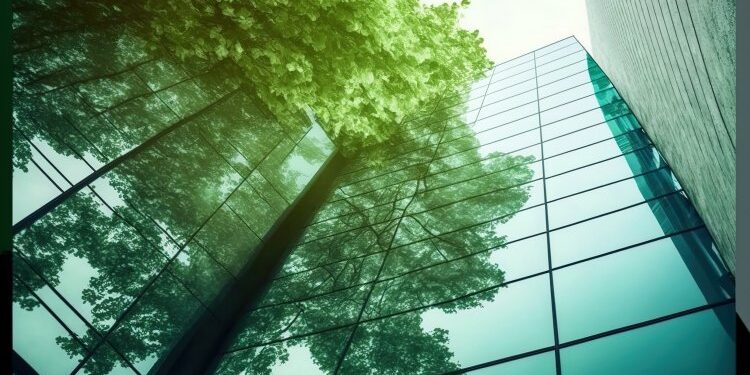
As concerns about climate change and environmental responsibility grow, sustainable commercial construction has become a critical consideration for businesses. Not only do eco-friendly building practices reduce the environmental impact of new developments, but they can also yield significant long-term savings in energy, water, and materials. In cities like Atlanta, which has seen rapid growth and development, green construction has taken center stage as businesses look to reduce their carbon footprint and create healthier work environments.
In this blog, we’ll explore the importance of sustainable building practices and discuss key strategies for implementing eco-friendly construction techniques in your commercial project.
Why Sustainable Commercial Construction Matters
Sustainable commercial construction is more than just a trend; it’s a necessity. Buildings are responsible for a significant portion of global energy consumption and greenhouse gas emissions. According to the U.S. Green Building Council (USGBC), buildings account for about 40% of global energy consumption and contribute nearly 30% of global greenhouse gas emissions. This makes adopting sustainable practices crucial for mitigating climate change.
Beyond environmental benefits, sustainable construction also offers economic advantages. Energy-efficient designs and systems can reduce operating costs, while using eco-friendly building materials can enhance indoor air quality and create healthier work environments. Additionally, businesses that prioritize green construction in Atlanta can benefit from incentives like tax breaks and energy rebates, as well as earn certifications such as LEED (Leadership in Energy and Environmental Design).
1. Use of Eco-Friendly Building Materials
One of the fundamental aspects of sustainable commercial construction is the use of eco-friendly building materials. These materials not only reduce the environmental impact during production but also improve the sustainability of the building throughout its lifecycle. Here are some examples:
- Recycled and Reclaimed Materials: Using recycled steel, reclaimed wood, or other repurposed materials helps reduce the demand for raw resources. This can lower the carbon footprint of the construction project while also giving the building a unique aesthetic appeal.
- Low-Emitting Materials: Volatile organic compounds (VOCs) found in traditional paints, adhesives, and sealants can compromise indoor air quality. Opting for low- or zero-VOC materials reduces harmful emissions, leading to healthier air inside the building.
- Sustainable Insulation Materials: Eco-friendly insulation options like sheep wool, cellulose, or cotton can significantly reduce energy consumption while also being biodegradable or recyclable. They also tend to provide excellent thermal regulation, further improving the building’s efficiency.
- Locally Sourced Materials: Choosing materials sourced locally in Atlanta or the surrounding region reduces transportation emissions and supports local economies. Additionally, locally sourced materials are often better suited to the local climate and environmental conditions.
Using eco-friendly materials in your commercial project not only reduces the environmental impact but also creates a healthier indoor environment, which can contribute to higher employee productivity and satisfaction.
2. Energy-Efficient Design
Energy efficiency is at the heart of sustainable commercial construction. By incorporating energy-efficient designs and systems, buildings can significantly reduce their energy consumption and carbon emissions. Here are some ways to improve energy efficiency in your eco-friendly commercial project:
- High-Performance Building Envelope: The building envelope—the walls, roof, windows, and doors—plays a critical role in energy efficiency. A high-performance envelope reduces heat transfer, minimizing the need for heating and cooling systems to work harder. Insulated walls and roofs, energy-efficient windows, and tightly sealed doors can all contribute to better energy performance.
- Daylighting: Maximizing natural light reduces the need for artificial lighting during the day, lowering energy consumption. Strategically placed windows, skylights, and light shelves can help distribute natural light more evenly throughout the space.
- Energy-Efficient HVAC Systems: Heating, ventilation, and air conditioning (HVAC) systems account for a significant portion of a building’s energy use. Installing energy-efficient HVAC systems that include variable speed fans, energy recovery ventilation, and smart thermostats can reduce energy consumption while maintaining optimal indoor air quality and comfort.
- LED Lighting: Replacing traditional incandescent bulbs with energy-efficient LED lighting is a simple yet effective way to reduce energy use. LED lights not only consume less electricity but also last longer, reducing maintenance costs.
Incorporating energy-efficient design elements from the outset can save significant costs on utility bills while reducing the building’s carbon footprint.
3. Water Conservation
Water conservation is another essential element of sustainable commercial construction. Buildings that use less water not only help preserve this precious resource but also reduce costs associated with water consumption and sewage. Here are some water-saving strategies for your commercial project:
- Low-Flow Fixtures: Installing low-flow faucets, toilets, and showerheads can reduce water consumption by up to 30% without sacrificing performance. These fixtures are essential for reducing indoor water usage, especially in high-traffic commercial spaces.
- Rainwater Harvesting Systems: Capturing rainwater for irrigation, landscaping, or even indoor use can significantly reduce the need for municipal water. Rainwater harvesting systems collect and store rainwater from roofs or other surfaces, which can then be filtered and reused.
- Native Landscaping: Choosing native plants that require little to no irrigation can drastically reduce water usage for landscaping. These plants are typically adapted to the local climate and require less maintenance, making them ideal for sustainable commercial construction projects in Atlanta.
- Green Roofs: Green roofs are a popular water conservation and energy efficiency measure that involves planting vegetation on the rooftop. In addition to reducing water runoff, green roofs provide insulation, reduce heat absorption, and contribute to improved air quality.
Water conservation strategies not only reduce the environmental impact of your commercial building but can also lead to significant cost savings over time.
4. Sustainable Construction Practices
Beyond the materials and design choices, the construction process itself can be optimized for sustainability. Green construction practices reduce waste, minimize energy consumption during construction, and promote resource efficiency. At RTF Construction, we prioritize sustainable construction practices, including:
- Waste Reduction and Recycling: We implement waste management strategies that reduce the amount of construction waste sent to landfills. This includes recycling materials like concrete, metal, and wood and using modular construction methods that reduce material waste.
- Efficient Use of Resources: Sustainable construction focuses on using resources efficiently to minimize waste. For example, prefabrication techniques can reduce material waste and energy consumption during construction. We also strive to minimize energy and water use on the construction site.
- Green Certifications and Standards: We adhere to green building standards such as LEED, ensuring that our commercial construction projects in Atlanta meet the highest sustainability criteria. These certifications demonstrate a commitment to sustainability and can enhance the building’s marketability and value.
Sustainable construction practices ensure that every phase of your project—from planning to execution—contributes to a more eco-friendly outcome.
5. Indoor Environmental Quality
In addition to energy efficiency and resource conservation, green construction practices prioritize the health and well-being of building occupants. Indoor environmental quality (IEQ) is an important factor in sustainable commercial construction that directly impacts the comfort and productivity of employees, customers, and tenants.
- Ventilation and Air Quality: Good indoor air quality is essential for creating a healthy work environment. Installing advanced ventilation systems that circulate fresh air and remove pollutants can enhance the well-being of building occupants.
- Natural Light and Views: Incorporating natural light and providing access to outdoor views can improve the mood and productivity of employees. Large windows, skylights, and open spaces all contribute to better IEQ.
- Non-Toxic Materials: Choosing non-toxic materials for flooring, paint, and finishes reduces the presence of harmful chemicals in the indoor environment, improving the overall health and safety of the space.
Prioritizing indoor environmental quality in your green construction project not only creates a more comfortable and appealing workspace but also contributes to better occupant health and productivity.
Sustainable commercial construction is no longer a luxury—it’s a smart, responsible choice for businesses looking to reduce their environmental impact, improve energy efficiency, and create healthier work environments. By using eco-friendly building materials, incorporating energy-efficient design, conserving water, and following sustainable construction practices, businesses can create spaces that benefit both the environment and their bottom line.
At RTF Construction, we’re committed to delivering eco-friendly commercial projects that help businesses thrive in a sustainable future. Whether you’re looking to undertake green construction in Atlanta or simply want to explore ways to make your commercial project more sustainable, our team is here to guide you through every step of the process.