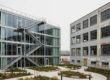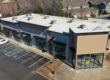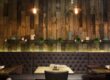
In today’s competitive retail landscape, creating an engaging customer experience is more than just stocking the right products—it’s about crafting a retail space that draws in consumers and encourages them to stay, explore, and ultimately make a purchase. Thoughtful design, strategic layouts, and immersive elements can make all the difference in a store’s success. At RTF Construction, we understand the impact of well-designed retail environments and specialize in transforming spaces into consumer magnets. Whether you’re launching a new store or renovating an existing one, here are some design strategies to enhance customer engagement and maximize sales.
1. First Impressions Matter: The Power of Curb Appeal
The journey to a great customer experience begins before a shopper even steps inside. The exterior of your retail space should be inviting, visually appealing, and clearly communicate your brand identity. Eye-catching signage, well-lit entrances, and engaging window displays are all essential elements of curb appeal. When designing retail spaces, we prioritize façade enhancements that capture attention and drive foot traffic.
2. Open and Intuitive Layouts
Once customers step inside, the layout of the store plays a critical role in their journey. A well-planned retail floor plan should guide customers naturally through the space, making it easy for them to browse and discover products. Some key considerations include:
- The Decompression Zone: This is the space immediately inside the entrance where customers adjust to their surroundings. Keeping this area open and uncluttered helps set the stage for a relaxed shopping experience.
- Navigational Flow: Pathways should encourage movement while preventing bottlenecks. Popular layouts include the grid, loop, and free-flow designs, each catering to different retail needs.
- Strategic Product Placement: High-margin and seasonal items should be placed in high-traffic areas to maximize exposure.
3. Lighting That Enhances Mood and Functionality
Lighting is a powerful tool in retail construction, influencing both aesthetics and functionality. The right lighting strategy not only highlights products but also sets the mood. Some effective lighting techniques include:
- Accent Lighting: Draws attention to key merchandise and promotional areas.
- Ambient Lighting: Creates a welcoming atmosphere, making customers feel comfortable while shopping.
- Task Lighting: Provides focused illumination for areas such as checkout counters and fitting rooms.
- Dynamic Lighting: Adjustable lighting systems that change throughout the day can create different shopping experiences based on time and mood.
4. Engaging Storefront and Digital Integration
With the rise of e-commerce, integrating digital elements into physical retail spaces is more important than ever. Many successful retailers are incorporating:
- Interactive Screens: Digital displays that showcase promotions, product details, and brand stories.
- Self-Service Kiosks: Allow customers to browse inventory, check prices, or even place orders for out-of-stock items.
- Augmented Reality (AR): Enables shoppers to visualize products in their homes or try on items virtually.
5. Multi-Sensory Design for a Memorable Experience
Beyond just aesthetics, a truly engaging retail environment appeals to multiple senses. Consider these multi-sensory elements:
- Sound: Background music tailored to your brand’s personality can enhance the shopping experience.
- Scent: Signature scents create a lasting impression and emotional connection with customers.
- Texture: Varying textures in materials, flooring, and displays make spaces feel more dynamic and inviting.
- Temperature Control: Maintaining a comfortable climate ensures customers stay longer and shop more.
6. Comfortable and Interactive Spaces
Modern consumers are looking for more than just products—they seek experiences. Adding comfortable seating areas, interactive displays, and social media-friendly design elements can encourage customers to linger and engage with the brand. Some trending additions include:
- Lounge Areas: A relaxing space for customers to pause, especially useful in high-end or large retail environments.
- Instagrammable Features: Unique murals, neon signs, or artistic installations that encourage social sharing.
- Experiential Zones: Areas where customers can test products or engage with brand representatives.
7. Sustainability and Eco-Friendly Design
Consumers are increasingly drawn to brands that prioritize sustainability. Incorporating eco-friendly elements in retail construction can resonate with shoppers while reducing long-term costs. Some sustainable design choices include:
- Energy-Efficient Lighting and HVAC Systems
- Reclaimed or Locally-Sourced Materials
- Water-Saving Fixtures
- Green Spaces or Living Walls
8. Modular and Flexible Design for Adaptability
Retail spaces must be adaptable to changing trends and seasonal demands. Modular displays, movable shelving, and adjustable fixtures make it easy to reconfigure the layout as needed. This flexibility ensures that the space remains fresh and engaging without requiring frequent renovations.
Transforming Retail Spaces with RTF Construction
At RTF Construction, we specialize in designing and building retail environments that captivate customers and drive business success. Whether you need a full-scale renovation or targeted upgrades, our team is dedicated to delivering innovative solutions tailored to your brand’s needs.
Explore our Retail Gallery to see how we’ve transformed retail spaces into immersive shopping experiences. Ready to take your retail environment to the next level? Contact us today to discuss your project!
By implementing these design strategies, retailers can create spaces that attract, engage, and inspire customers—leading to increased foot traffic, longer dwell times, and higher sales. The future of retail isn’t just about what you sell; it’s about how you make people feel when they walk through your doors.