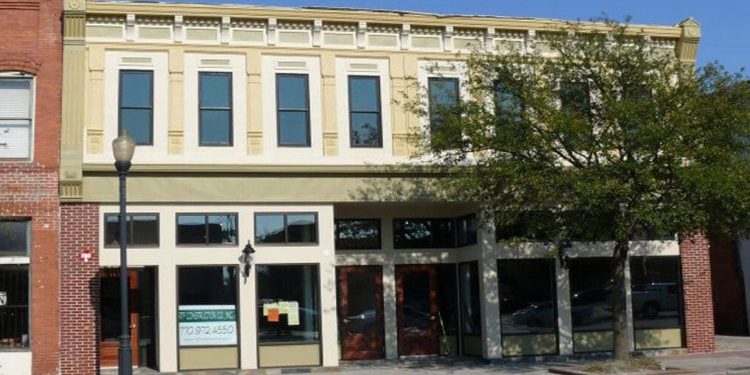
Rehabilitating a historic building is a delicate balance between preserving its unique character and adapting it to modern needs. Whether it’s a century-old mansion, an industrial warehouse, or a community landmark, these structures often hold cultural, architectural, and historical significance. However, the process of rehabilitation requires careful planning, expertise, and adherence to preservation principles. In this blog post, we’ll explore the top considerations when undertaking the rehabilitation of a historic building.
- Historical Research:
Before diving into any rehabilitation project, thorough historical research is essential. Understanding the building’s original purpose, architectural style, and significance within its historical context lays the foundation for informed decision-making throughout the rehabilitation process. This research may involve consulting historical documents, photographs, maps, and architectural drawings. - Preservation Standards and Regulations:
Rehabilitating a historic building involves navigating a complex web of preservation standards and regulations. Depending on the building’s location, it may be subject to local, state, or national preservation ordinances. Familiarizing yourself with these regulations and obtaining the necessary permits is crucial to ensure compliance and avoid potential legal issues. - Condition Assessment:
Conducting a comprehensive condition assessment is vital to identify any structural deficiencies, deterioration, or damage that may require attention during the rehabilitation process. Engaging qualified architects, engineers, and preservation specialists to assess the building’s condition can provide valuable insights and inform the development of an appropriate rehabilitation strategy. - Adaptive Reuse:
Adaptive reuse is a sustainable approach to rehabilitating historic buildings by repurposing them for contemporary use while retaining their historic character. Whether transforming a former factory into loft apartments or converting a historic school into office space, adaptive reuse requires creativity and sensitivity to the building’s unique attributes. - Sustainability and Energy Efficiency:
Integrating sustainable design principles and energy-efficient technologies into the rehabilitation process can enhance the building’s long-term viability while minimizing its environmental impact. Strategies such as improving insulation, upgrading HVAC systems, and incorporating renewable energy sources can enhance comfort and reduce operating costs without compromising historic integrity. - Community Engagement:
Engaging with the local community and stakeholders throughout the rehabilitation process is essential to garner support, gather input, and ensure that the project aligns with the community’s values and priorities. Building partnerships with preservation organizations, neighborhood associations, and cultural institutions can foster a sense of ownership and pride in the revitalized historic building.
Conclusion:
Rehabilitating a historic building is a multifaceted endeavor that requires a thoughtful blend of preservation, innovation, and community engagement. By carefully considering historical research, preservation standards, condition assessment, respect for original fabric, adaptive reuse, sustainability, community engagement, and financial considerations, stakeholders can ensure that the rehabilitation process honors the past while embracing the future. Through meticulous planning and collaboration, historic buildings can be transformed into vibrant assets that contribute to the cultural and architectural fabric of their communities for generations to come.
For questions regarding RTF General Contractors and how our firm can help you realize your next commercial construction project, please feel free to reach out today.