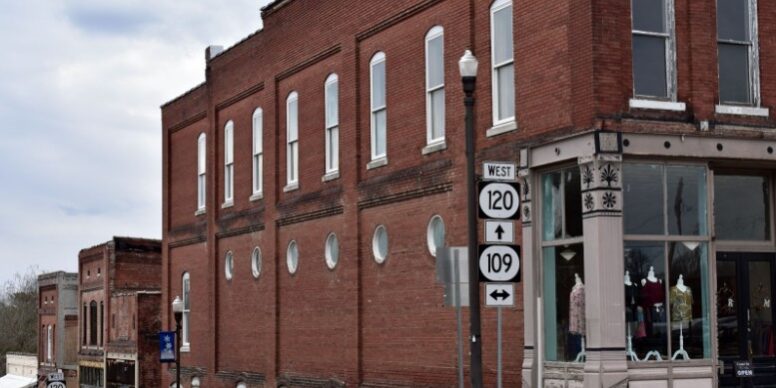
Historic buildings are more than bricks and mortar — they are living stories. They carry the craftsmanship, culture, and character of a time gone by, and preserving them is both a privilege and a responsibility.
At RTF Construction, we believe that preserving historic architecture means honoring the past while ensuring these structures meet today’s safety, functionality, and accessibility needs. This delicate balance requires specialized expertise, meticulous attention to detail, and a deep respect for the history embedded in every beam, brick, and archway.
We’ll explore best practices for historical building preservation and showcase some of our most inspiring projects from the Historical Renovations Gallery.
1. Begin with Comprehensive Research
Before lifting a single tool, it’s essential to understand the building’s history and original construction techniques.
- Historical Records: Gather blueprints, photographs, and municipal records to learn about the building’s design and modifications over time.
- Architectural Style: Identify the architectural period (Victorian, Art Deco, Colonial, etc.) to guide restoration decisions.
- Material Analysis: Understanding the original materials helps determine whether they can be restored or require replication.
RTF Tip: We often collaborate with local historians and preservation societies to ensure our work reflects the building’s true heritage.
2. Conduct a Detailed Structural Assessment
Older buildings can hide structural issues beneath their charm. A thorough evaluation by qualified engineers ensures safety and helps shape the restoration plan.
- Foundation Stability: Address cracks, settling, or water damage before aesthetic work begins.
- Load-Bearing Elements: Reinforce beams and columns while preserving original appearance.
- Roof Integrity: Historic roofs often require both structural repairs and period-appropriate materials.
RTF Tip: We use non-invasive inspection methods, such as infrared scanning, to detect hidden problems without damaging delicate finishes.
3. Preserve Original Materials When Possible
One of the core principles of historical preservation is to repair rather than replace whenever feasible.
- Masonry Restoration: Use matching mortar for repointing to protect structural integrity and maintain historical authenticity.
- Woodwork Conservation: Strip paint gently, repair damaged sections, and apply finishes consistent with the original period.
- Metal Fixtures: Clean and restore rather than replace original hinges, locks, and railings.
4. Use Historically Accurate Materials and Methods
When replacement is unavoidable, authenticity matters.
- Custom Millwork: Replicate moldings, trims, and frames using species of wood common to the building’s era.
- Traditional Techniques: Employ craftsmanship methods such as lime plastering or hand-cut joinery.
- Period-Specific Finishes: Use paints, stains, and sealants in colors authentic to the building’s historical palette.
5. Balance Modern Codes with Historical Integrity
Bringing a historic building up to modern codes can be challenging, especially when integrating electrical, plumbing, and HVAC systems.
- Concealed Infrastructure: Route new wiring and ductwork through non-visible areas to maintain period aesthetics.
- Energy Efficiency: Upgrade insulation discreetly to improve comfort without altering original walls or facades.
- Safety Compliance: Install sprinklers, alarms, and accessibility features in a way that blends seamlessly with existing architecture.
RTF Tip: Code compliance doesn’t have to mean compromising beauty. Our team specializes in finding creative solutions that preserve character while meeting all safety standards.
6. Protect the Building Envelope
The building envelope — its roof, walls, and foundation — must be secured to prevent further deterioration.
- Waterproofing: Address drainage issues and seal vulnerable areas without affecting appearance.
- Climate Control: Maintain stable indoor temperatures to prevent damage from expansion, contraction, and humidity.
- Pest Management: Use preservation-friendly treatments to protect against termites and other threats.
7. Document the Process
Every historical preservation project adds to the building’s story.
- Photographic Records: Capture before, during, and after images for archival purposes.
- Material Samples: Keep labeled samples of original materials for future reference.
- Project Reports: Document restoration techniques for use in maintenance and potential future renovations.
8. Engage Skilled Craftspeople
Preserving history takes more than general construction skills — it requires artisans who understand historical details.
- Stone Masons: Skilled in period-specific masonry techniques.
- Woodworkers: Experienced in creating historically accurate details.
- Metalworkers: Capable of restoring antique hardware or crafting precise reproductions.
At RTF Construction, we have a trusted network of craftspeople who share our dedication to authentic preservation.
9. Maintain Ongoing Care
Preservation doesn’t end when the project is complete.
- Regular Inspections: Schedule annual check-ups to catch issues early.
- Preventative Maintenance: Keep gutters clean, repaint on schedule, and repair minor issues before they escalate.
- Climate Monitoring: Watch for signs of moisture intrusion, especially in older basements and attics.
Showcasing Our Work: The Historical Renovations Gallery
Our Historical Renovations Gallery features projects where the past meets the present in perfect harmony:
- Restored Facades: We’ve revived century-old exteriors using materials and techniques faithful to the original design.
- Adaptive Reuse: Transforming historic buildings into modern functional spaces without erasing their heritage.
- Detailed Interiors: Preserving intricate plasterwork, original flooring, and hand-carved features.
From historic courthouses to turn-of-the-century homes, each project reflects our passion for honoring history while ensuring these structures serve generations to come.
Why Choose RTF Construction for Historical Preservation?
Preserving a historic building is more complex than standard construction. It demands:
- Deep Historical Knowledge: Understanding architectural history and original building techniques.
- Code Expertise: Balancing modern safety and accessibility requirements with historical authenticity.
- Meticulous Craftsmanship: Bringing together artistry and construction skill.
- Proven Experience: Our portfolio speaks for itself, showcasing successful preservation of some of the region’s most treasured buildings.
Final Thoughts
Historical buildings are irreplaceable treasures. They connect us to our past, enrich our communities, and inspire future generations. Preserving them requires a thoughtful approach — one that respects original craftsmanship while embracing the needs of today.
At RTF Construction, we are committed to keeping history alive through expert preservation and restoration. Whether your project is a stately Victorian home, a historic civic building, or a cherished local landmark, we bring the skill, passion, and respect necessary to ensure its story continues.
Ready to protect and enhance your piece of history? Explore our Historical Renovations Gallery and let’s preserve the past, together.