Modern businesses are rethinking what the workplace should look and feel like. As hybrid work models, collaboration-focused layouts, and employee wellness initiatives take center stage, one thing remains clear—effective office space planning is essential for long-term success. How a company uses its space can influence everything from productivity and morale to brand perception and operational efficiency.
At RTF Construction, we understand that office environments are more than just four walls—they’re strategic assets that shape company culture and performance. By combining intelligent design, functionality, and adaptability, businesses can create workspaces that meet today’s needs while preparing for tomorrow’s growth.
The Importance of Thoughtful Office Space Planning
Office space planning isn’t just about fitting desks and conference rooms into a floor plan. It’s about aligning a physical environment with a company’s mission, workflow, and future goals. Well-planned spaces support collaboration, enhance comfort, and foster productivity—while poorly designed layouts can create inefficiencies and hinder communication.
Every square foot matters. A space that’s too small can feel crowded and stressful, while one that’s too large may lead to underutilized areas and wasted costs. Strategic planning helps businesses find the right balance, ensuring that every inch of the workspace serves a purpose.
Understanding How Teams Work
A successful layout starts with understanding how people use the space. Before any design or renovation begins, RTF Construction works with clients to analyze workflow patterns, department proximity needs, and the unique functions of different teams.
For example:
- Collaborative teams—like marketing or design—benefit from open layouts with shared tables and creative zones.
- Focused roles—such as accounting or legal—may require quieter, enclosed offices or sound-buffered workstations.
- Customer-facing departments need accessible meeting rooms or reception areas designed for professionalism and comfort.
By mapping these needs early in the planning process, businesses can avoid costly layout changes later and create environments that genuinely support their teams.
Flexibility Is the New Standard
The modern workplace must be adaptable. As businesses grow, restructure, or shift to hybrid schedules, flexible office layouts allow seamless adjustments without major renovations. Modular furniture, demountable walls, and reconfigurable work zones are key elements of effective office space planning.
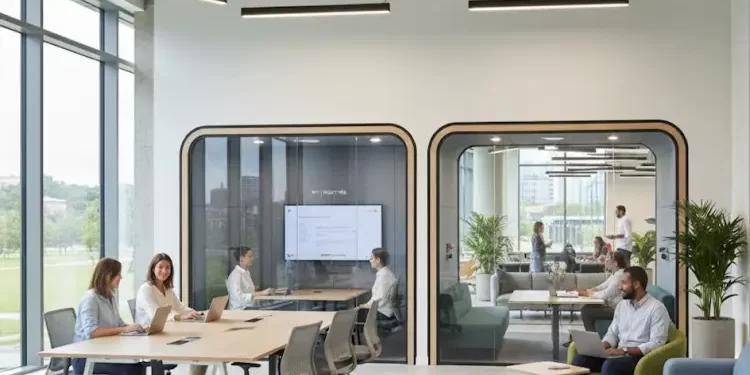
RTF Construction incorporates flexibility into every design. We help businesses future-proof their investments by creating spaces that can easily evolve—whether that means adding new workstations, creating quiet pods, or converting underused areas into collaborative lounges.
The Role of Technology in Office Space Planning
Technology has become the backbone of every modern workspace. From integrated video conferencing systems to smart lighting and HVAC controls, offices must be equipped to support digital demands while maintaining comfort and energy efficiency.
RTF works with clients to ensure that technology is seamlessly integrated—not an afterthought. Concealed wiring, soundproof media rooms, and smart office systems make it easy to collaborate across locations while maintaining a clean, modern aesthetic. Planning for these features during construction or renovation ensures functionality without sacrificing design.
Prioritizing Employee Well-Being
The best office spaces are designed with people in mind. Employee well-being directly impacts engagement, retention, and overall business performance. A well-planned space supports both physical and mental wellness by emphasizing natural light, ergonomic furniture, and comfortable layouts.
Incorporating biophilic design—elements that bring nature indoors—can also make a significant difference. Plants, natural textures, and views of the outdoors improve mood and focus while reducing stress. Breakout areas, wellness rooms, and open-air patios give employees space to recharge during the day.
RTF Construction works closely with clients to blend these human-centered design principles into every project. Because when employees feel good in their environment, they perform at their best.
Maximizing Space Efficiency
Efficient use of space is one of the most important aspects of office planning. It’s about doing more with less—creating an environment that feels open and functional, even within limited square footage.
Key strategies include:
- Multi-purpose areas – Conference rooms that double as training spaces or lounges that convert to collaboration zones.
- Vertical storage solutions – Utilizing height for shelving and organization to free up valuable floor space.
- Hot-desking or shared workstations – Supporting hybrid teams without dedicating desks to every employee.
- Traffic flow optimization – Ensuring pathways between departments are clear and intuitive, improving movement and communication.
Efficient planning doesn’t just save money on real estate—it also enhances the overall work experience by reducing clutter and promoting smooth daily operations.
Reflecting Brand Identity Through Design
Your office is a reflection of your brand. From color palettes to materials and layout choices, every detail sends a message to employees, clients, and visitors. A thoughtfully designed office reinforces company culture and communicates professionalism, innovation, and purpose.
RTF Construction helps businesses translate their brand identity into built environments. Whether it’s a sleek modern aesthetic, a warm and inviting atmosphere, or an industrial look with exposed metal and concrete, our team ensures the space aligns with who you are as a company.
Custom finishes, branded signage, and architectural details can all play a role in reinforcing company values and creating a sense of pride for employees.
Planning for Growth
Every thriving business evolves, and office space must evolve with it. One of the most overlooked elements of office space planning is scalability. Building in room for growth prevents disruption and unnecessary relocation expenses down the road.
RTF Construction helps clients anticipate future needs—whether that means allocating expansion zones, integrating flexible partitions, or designing infrastructure that can support additional staff and technology. This proactive approach ensures the office remains functional and relevant for years to come.
Collaboration Between Design and Construction
The best outcomes happen when design and construction teams collaborate early in the process. RTF’s integrated approach bridges that gap, ensuring that creative concepts are practical, budget-friendly, and delivered on schedule.
By combining architectural insight with hands-on construction expertise, we help clients visualize how each element—lighting, materials, furniture, and layout—will function in real-world conditions. This cohesive planning process reduces delays, minimizes surprises, and maximizes results.
Building Smarter, Working Better
Office space planning isn’t a one-size-fits-all process—it’s an opportunity to shape the future of work for your organization. A well-designed workspace supports productivity, collaboration, and innovation while making a lasting impression on employees and visitors alike.
As businesses continue to adapt to new ways of working, those who invest in thoughtful, flexible, and efficient office planning will lead the way. RTF Construction is proud to partner with companies that see their office not just as a place to work—but as a strategic tool for growth and success.
To explore how design and functionality come together in modern workspaces, visit our Office & Interiors Gallery and see how RTF transforms vision into reality.