In the healthcare industry, the design of a medical office plays a crucial role in both patient care and operational efficiency. From the moment a patient walks through the door to the time they check out, the layout, functionality, and aesthetic of the space can significantly impact their experience — and your staff’s ability to deliver care.
At RTF Construction, we understand that medical office construction is more than just building walls and installing equipment. It’s about creating environments where healthcare professionals can work effectively, patients feel comfortable, and operations run smoothly. Below, we share our insights into the best practices for medical office design, along with a look at our Medical Building Gallery to inspire your next project.
1. Prioritize Patient Flow and Accessibility
The flow of patients through your office should be logical and stress-free. When designing a medical facility, consider the entire patient journey:
- Entrance and Check-In: Your reception area should be easy to locate, welcoming, and accessible for individuals with mobility challenges. ADA-compliant entryways and counters ensure inclusivity for all patients.
- Waiting Area Layout: Patients should feel comfortable, not crowded. Strategic furniture placement, calming colors, and natural light can help ease anxiety.
- Clear Wayfinding: Signage should guide patients seamlessly from check-in to exam rooms, restrooms, and other key areas.
RTF Pro Tip: Create separate circulation paths for staff and patients when possible. This reduces congestion in hallways and allows clinical staff to move quickly between rooms without disrupting patient flow.
2. Design for Staff Efficiency
While patient comfort is critical, your staff’s ability to work efficiently is just as important. An optimal layout can save time, reduce stress, and improve care quality.
- Centralized Workstations: Position work areas so staff can easily monitor multiple exam rooms.
- Supply Accessibility: Ensure storage for medical supplies and equipment is close to where they’re used most often.
- Staff Break Areas: Even the most dedicated healthcare providers need downtime. Provide comfortable spaces where they can recharge.
RTF Pro Tip: We often use zoned layouts — separating public spaces, clinical zones, and administrative areas — to enhance efficiency and privacy.
3. Ensure Privacy and Compliance
Privacy is not just a courtesy; it’s a legal requirement under HIPAA regulations. Soundproof walls, private consultation rooms, and strategically placed reception desks help protect patient confidentiality.
- Acoustic Design: Reduce noise transfer between rooms with quality insulation and door seals.
- Visual Privacy: Avoid direct sightlines into exam rooms from hallways or waiting areas.
- Secure Records Areas: Whether physical or digital, patient records should be stored in restricted-access zones.
4. Focus on Infection Control
In today’s healthcare environment, infection control is a top design priority. The right materials and layouts can make sanitation easier and reduce the risk of disease transmission.
- Non-porous Surfaces: Choose materials like quartz or solid-surface countertops that are easy to clean and resistant to bacteria.
- Hands-Free Fixtures: Motion-sensor faucets, touchless soap dispensers, and automatic doors limit contact points.
- Ventilation Systems: Incorporate high-quality air filtration systems to maintain a healthy indoor environment.
RTF Pro Tip: Position sinks strategically in both public and clinical spaces to encourage frequent handwashing.
5. Integrate Modern Technology
A well-designed medical office anticipates the future of healthcare technology. From telehealth to digital patient check-in kiosks, integrating technology from the start prevents costly retrofits later.
- Infrastructure for Devices: Install ample electrical outlets, charging stations, and data ports.
- Smart Lighting & Climate Control: Automated systems save energy and maintain comfort.
- Telemedicine Spaces: Quiet, private rooms equipped with high-quality video conferencing tools can expand your services.
6. Enhance Comfort and Aesthetics
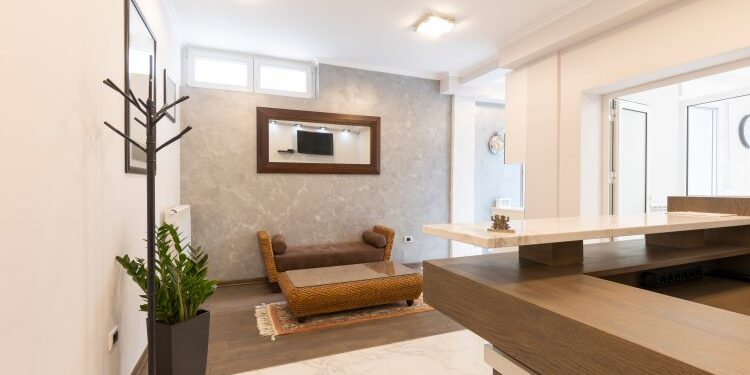
A medical office doesn’t need to feel cold or sterile. In fact, a warm, inviting design can reduce patient anxiety and improve overall satisfaction.
- Color Palettes: Soft, neutral colors with calming accents work well in healthcare settings.
- Natural Elements: Plants, artwork, and natural light create a welcoming atmosphere.
- Furniture Selection: Choose durable, easy-to-clean seating that still offers comfort.
RTF Pro Tip: Lighting plays a huge role in setting the tone — combine natural light with layered artificial lighting to keep spaces bright but not harsh.
7. Plan for Scalability and Flexibility
Healthcare needs can change quickly, whether due to evolving medical technology, shifts in patient volume, or public health demands. Design with flexibility in mind so your space can adapt without major overhauls.
- Modular Walls: Allow for reconfiguration of spaces as needs change.
- Multi-Use Rooms: Rooms that can serve as an exam room today and a consultation space tomorrow help maximize square footage.
- Expansion Capability: If possible, design layouts that allow for future building additions.
8. Sustainability in Healthcare Spaces
Green building practices aren’t just good for the environment — they can also lower operating costs and improve indoor air quality.
- Energy-Efficient HVAC: Reduces utility bills while maintaining patient comfort.
- LED Lighting: Long-lasting and cost-effective.
- Sustainable Materials: Choose eco-friendly options for flooring, paint, and furnishings.
RTF Pro Tip: Incorporating sustainability into your medical office design can be a selling point for patients who value environmentally conscious practices.
Showcasing Our Work: The Medical Building Gallery
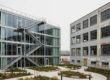
At RTF Construction, we take pride in our portfolio of medical office projects that combine form, function, and future-ready design. Our Medical Building Gallery highlights spaces where:
- Patient pathways are intuitive and accessible.
- Staff areas are designed for maximum efficiency.
- Interiors promote calm and healing.
- Technology is seamlessly integrated.
- Safety, compliance, and sustainability are built into every corner.
From small family practices to large multi-specialty clinics, our work reflects the unique needs of each healthcare provider while upholding the highest standards in construction.
Why Partner with RTF Construction?
When you choose RTF Construction for your medical office build or renovation, you’re getting more than a contractor — you’re gaining a partner who understands the critical intersection of healthcare and design. Our team:
- Collaborates with architects and designers to bring your vision to life.
- Stays current on healthcare regulations to ensure compliance.
- Delivers projects on time and within budget without compromising quality.
- Incorporates best practices from our extensive experience in medical construction.
Final Thoughts
Designing and building a medical office is about more than meeting code requirements — it’s about creating a space that supports healing, efficiency, and trust. By prioritizing patient flow, staff efficiency, privacy, infection control, technology, comfort, flexibility, and sustainability, you can create an environment that benefits both patients and providers.
At RTF Construction, we specialize in turning these principles into reality. Whether you’re envisioning a brand-new facility or renovating an existing space, our team is here to guide you through every step — from concept to completion.
Ready to build your ideal medical space? Explore our Medical Building Gallery for inspiration and contact us to start planning your project today.