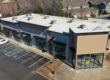

Embarking on a commercial construction project in Atlanta is a significant investment that requires meticulous planning and robust financial backing. Understanding the various financing options available is crucial for ensuring your project’s success. This comprehensive guide will explore the primary financing avenues for commercial construction in Atlanta, providing insights to help you make informed decisions and secure the necessary funds to bring your vision to life.
Understanding Commercial Construction Financing
Commercial construction financing encompasses a range of funding options tailored to meet the unique needs of constructing, expanding, or renovating commercial properties. Whether you’re a seasoned developer or a business owner venturing into real estate for the first time, understanding these financing options can significantly impact your project’s financial health and overall success.
Traditional Financing Options
1. Commercial Construction Loans
Commercial construction loans are among the most common financing options for building commercial properties in Atlanta. These loans are specifically designed to cover the costs associated with construction, including labor, materials, permits, and other related expenses.
Key Features:
- Short-Term Duration: Typically lasts 12 to 36 months, covering the construction phase until the property is completed.
- Draw Schedule: Funds are disbursed in stages, known as draws, based on the project’s progress. This ensures that funds are used appropriately and helps manage cash flow effectively.
- Interest Rates: Generally higher than traditional mortgages due to the increased risk during the construction phase. Rates can be fixed or variable, depending on the lender’s terms.
Eligibility Criteria:
- Detailed construction plans and cost estimates.
- Strong credit history and financial stability.
- A significant down payment, usually ranging from 10% to 30% of the total project cost.
2. Commercial Mortgages
Once the construction phase is complete, transitioning to a commercial mortgage is a common practice. This long-term financing option helps cover the remaining costs and provides a stable repayment structure.
Key Features:
- Long-Term Duration: Typically lasts 5 to 20 years, with fixed or variable interest rates.
- Repayment Terms: Regular monthly payments that include both principal and interest.
- Collateral: The completed property serves as collateral, reducing the lender’s risk.
Eligibility Criteria:
- Completed and operational property with a stable income stream.
- Strong financial records and credit history.
- An acceptable loan-to-value (LTV) ratio, usually up to 80%.
Alternative Financing Options
1. SBA Loans
The Small Business Administration (SBA) offers various loan programs that can be advantageous for financing commercial construction in Atlanta. The two most popular SBA loan programs for construction projects are the SBA 7(a) loan and the SBA 504 loan.
SBA 7(a) Loan:
- Flexible Use: Can be used for land purchase, construction, renovation, and equipment.
- Loan Amount: Up to $5 million.
- Repayment Terms: Up to 25 years for real estate, with competitive interest rates.
SBA 504 Loan:
- Purpose-Specific: Designed for purchasing fixed assets like real estate and machinery.
- Loan Structure: Combines a loan from a private lender with a loan from a Certified Development Company (CDC), covering up to 90% of the project cost.
- Repayment Terms: Up to 20 years, with fixed interest rates.
Eligibility Criteria:
- Operate as a for-profit business.
- Meet SBA size standards.
- Demonstrate the ability to repay the loan.
2. Bridge Loans
Bridge loans provide short-term financing to bridge the gap between the start of a construction project and securing long-term financing. These loans are ideal for developers who need immediate funds to commence construction while finalizing permanent financing arrangements.
Key Features:
- Short-Term Duration: Typically lasts 6 to 36 months.
- Higher Interest Rates: Reflect the short-term nature and increased risk.
- Flexible Terms: Customizable to meet specific project needs.
Eligibility Criteria:
- Detailed project plan and timeline.
- Strong credit history and financial stability.
- A clear exit strategy for transitioning to long-term financing.
Innovative Financing Solutions
1. Crowdfunding
Crowdfunding has emerged as an innovative way to finance commercial construction projects. Platforms like Fundrise and RealtyMogul allow developers to raise capital by pooling small investments from a large number of investors.
Key Features:
- Access to Capital: Enables developers to tap into a wide pool of potential investors.
- Flexible Amounts: Investors can contribute varying amounts, making it accessible for smaller projects.
- Equity or Debt: Funds can be raised as equity investments (ownership stakes) or debt (loans).
Eligibility Criteria:
- Compelling project proposal and marketing strategy.
- Transparent financial projections and risk assessments.
- Compliance with regulatory requirements.
2. Private Equity and Venture Capital
Private equity firms and venture capitalists can be valuable sources of funding for large-scale commercial construction projects. These investors provide substantial capital in exchange for equity stakes or profit-sharing arrangements.
Key Features:
- Significant Capital: Suitable for large and complex projects requiring substantial investment.
- Strategic Partnerships: Investors often bring valuable industry expertise and connections.
- Equity Stakes: Investors typically acquire ownership stakes, sharing in the project’s success.
Eligibility Criteria:
- High-potential projects with strong growth prospects.
- Proven track record of successful developments.
- Comprehensive business plan and financial projections.
Tips for Securing Financing
Securing financing for your Atlanta commercial construction project involves thorough preparation and strategic planning. Here are some tips to enhance your chances of obtaining the necessary funds:
1. Develop a Detailed Business Plan:
- Outline your project’s scope, objectives, timeline, and financial projections.
- Include market analysis, risk assessment, and contingency plans.
2. Strengthen Your Financial Profile:
- Maintain a strong credit history and financial stability.
- Ensure your business financial statements are accurate and up-to-date.
3. Build Relationships with Lenders:
- Establish connections with local banks, credit unions, and alternative lenders.
- Attend industry events and network with potential investors.
4. Explore Multiple Financing Options:
- Evaluate various financing avenues to determine the best fit for your project.
- Consider combining different funding sources to diversify your capital base.
5. Seek Professional Advice:
- Consult with financial advisors, real estate experts, and legal professionals.
- Leverage their expertise to navigate the complexities of construction financing.
Financing your commercial construction project in Atlanta requires a comprehensive understanding of the available options and strategic planning to secure the necessary funds. Whether you opt for traditional loans, SBA programs, innovative crowdfunding, or private equity, each financing avenue offers unique benefits and considerations. By preparing thoroughly, exploring multiple options, and seeking professional advice, you can confidently navigate the financing landscape and bring your commercial construction vision to life.
At RTF Construction, we’re committed to helping you achieve your construction goals with expert guidance and support. Contact us today to learn more about how we can assist with your next commercial construction project in Atlanta.