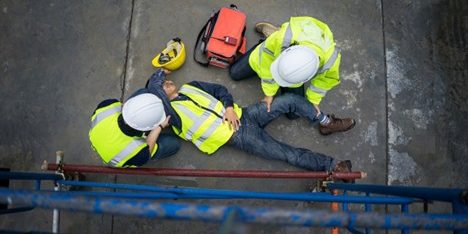
The construction industry is vital to the growth of economies worldwide, but it also ranks among the most dangerous sectors for workers. The inherently hazardous nature of construction work demands constant vigilance and robust safety measures. In this blog, we will delve into the top safety concerns in construction and explore the strategies and technologies RTF Construction employs to protect the lives of those working in this high-risk field. In addition to this blog, readers can also access OSHA 29 CFR 1926 training to understand the risks and the steps they can take to mitigate those risks.
1. Falls from Heights:
Falls from elevated surfaces remain one of the leading causes of injuries and fatalities in the construction industry. Whether it’s scaffolding, ladders, or rooftops, workers are frequently exposed to the risk of falling. Prevention measures include proper training, the use of personal fall arrest systems, guardrails, and regular inspections of equipment and work areas.
2. Struck-by Accidents:
Construction sites are filled with heavy machinery, equipment, and materials, making workers vulnerable to being struck by moving vehicles, falling objects, or swinging equipment. Wearing high-visibility clothing, establishing clear zones for heavy machinery, and implementing safety barriers are crucial steps in reducing these accidents.
3. Electrical Hazards:
Electricity is essential in construction, but it can also pose a significant threat if not handled correctly. Unsafe wiring, damaged electrical equipment, and improper grounding can lead to electrical shocks, burns, or even electrocutions. Rigorous training, regular equipment maintenance, and adherence to safety codes are essential in preventing electrical accidents.
4. Trenching and Excavation Hazards:
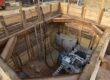
Working in trenches or excavations can be treacherous, with the risk of cave-ins and buried utilities. Proper shoring, sloping, or trench box systems, along with frequent inspections and soil analysis, can mitigate these dangers. Adequate training for workers is also crucial.
5. Hazardous Substances:
Construction sites often involve exposure to hazardous substances like asbestos, lead, and toxic chemicals. Inhalation or skin contact with these substances can lead to severe health issues. Effective personal protective equipment (PPE), proper handling procedures, and regular monitoring of air quality are essential for keeping workers safe.
Conclusion
The construction industry plays a crucial role in building the world around us, but it comes with inherent risks. Addressing these top safety concerns requires a collaborative effort from employers, workers, regulators, and industry associations. With ongoing commitment to safety training, the implementation of advanced technologies, and a culture that prioritizes worker well-being, we can make significant strides in reducing accidents and ensuring that every construction worker returns home safely at the end of the day. Safety should always be the cornerstone of any construction project, as the lives and well-being of workers are at stake.
For questions regarding RTF General Contractors and how our firm can help you realize your next commercial construction project, please feel free to reach out today.
Top of Form