General contractors, especially those with exterior ground-up projects, should consider several key concerns during the winter months to ensure the successful and safe completion of construction projects. As winter approaches, RTF Construction is preparing for the cold working conditions and ensuring productivity remains as high as it does in the spring, summer, and fall months. Specific concerns we are addressing as a firm include:
1. Weather Delays:
Winter weather can cause delays due to snow, ice, and freezing temperatures. Contractors should have contingency plans in place to adjust schedules as needed.
2. Cold Weather Safety:
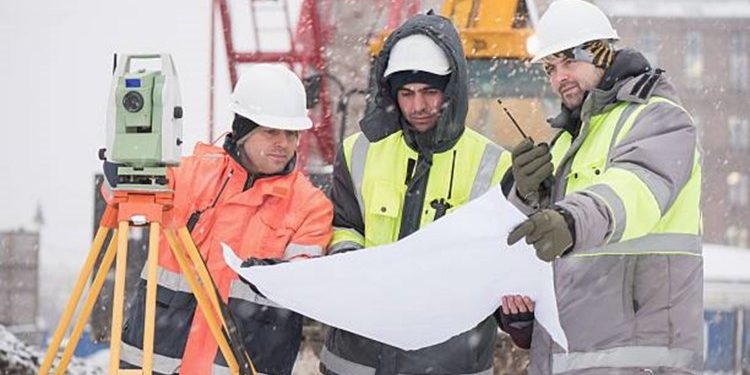
Safety is paramount during the winter months. Contractors must take precautions to protect workers from cold-related injuries, such as frostbite and hypothermia. This includes providing appropriate cold-weather gear and ensuring warm break areas.
3. Heating Equipment:
Proper heating equipment is essential to keep construction sites warm enough for work to continue safely. This includes space heaters, heated enclosures, and systems to prevent freezing of water lines.
4. Snow and Ice Removal:
Regular snow and ice removal are necessary to maintain safe conditions on construction sites. Snow removal equipment and de-icing materials should be readily available.
5. Material Storage:
Some construction materials can be sensitive to cold temperatures and moisture. Contractors need to provide proper storage and protection for these materials to prevent damage.
6. Concrete Curing:
Cold weather can affect the curing process of concrete. Contractors may need to use insulating blankets, heated enclosures, or chemical accelerators to ensure proper curing.
7. Reduced Daylight:
Winter months typically bring shorter daylight hours. Adequate lighting is crucial for worker safety and productivity. Temporary lighting systems may be necessary.
8. Utility Concerns:
Frozen pipes and utility lines can cause significant problems. Contractors should have plans to protect utilities from freezing and to address issues promptly if they arise.
9. Budget Adjustments:
Increased heating costs, snow removal expenses, and potential project delays can impact the project budget. Contractors should account for these potential costs in their financial planning.
10. Insurance and Liability:
Contractors should review their insurance policies to ensure they have appropriate coverage for winter-related risks. This includes coverage for weather-related accidents and property damage.
By proactively addressing these concerns and planning for winter-related challenges, general contractors can minimize disruptions, maintain safety, and successfully complete construction projects during the colder months.
For questions regarding RTF General Contractors and how our firm can help you realize your next commercial construction project, please feel free to reach out today.