In the world of commercial construction space design, striking the perfect balance between functionality and aesthetics is as much art as it is science. As businesses evolve and tenant expectations rise, aesthetically pleasing commercial spaces will have to captivate one’s senses yet satisfy the functional design requirements. As office, medical, retail, and mixed-use commercial space needs evolve, this balance between function and aesthetics becomes increasingly paramount, to occupants and businesses. In this blog post, we will dive into the art and science of this delicate balance and explore how architectural considerations and design trends influence the success of modern commercial properties.
Functionality: The Backbone of Commercial Spaces
Before the aesthetics come into play, functionality lays the foundation for any commercial space. Functionality entails the thoughtful organization and layout of the building, ensuring that every square foot is optimized for productivity and convenience. This starts with understanding the specific requirements of the businesses that will inhabit the space.
For instance, in a post-COVID environment when office space is relatively sparse, an office building must provide a conducive environment for collaboration and focus, with adaptable workstations and ample meeting rooms. Retail spaces should allow for smooth customer flow and effective product displays, while hospitality venues must accommodate the comfort and satisfaction of their guests. By addressing these practical aspects, architects and designers can guarantee that the building operates seamlessly and fulfills its intended purpose. That’s why it’s important to hire an experienced commercial GC, like RTF Construction, who can help architects and designers realize their theoretical vision.
Aesthetics: Creating Inspiring and Memorable Spaces
While functionality forms the backbone, aesthetics breathe life into commercial spaces. The design elements of a building – its form, materials, colors, lighting, and overall ambiance – play a profound role in shaping the emotional response of its occupants. This is where science comes in to play – especially in casinos and hospitality spaces. Aesthetics contribute to the psychological well-being of the building’s users and visitors, making the space more inviting and memorable.
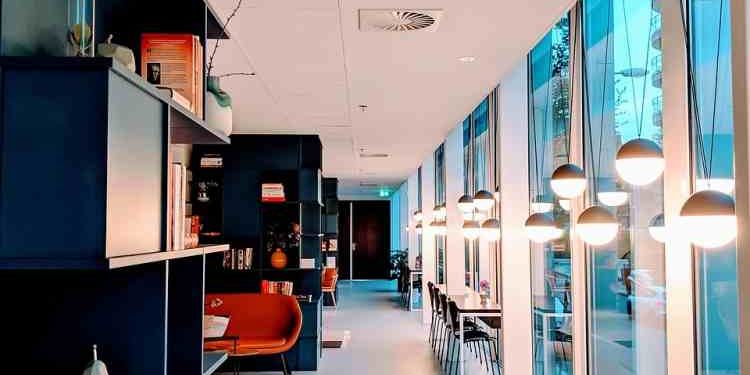
Consider the impact of natural light flooding into a workspace, fostering a sense of openness and boosting the mood of employees. The choice of eco-friendly materials not only promotes sustainability but also enhances the occupants’ connection with nature. When aesthetics are thoughtfully incorporated into the design, commercial real estate transcends its utilitarian purpose and becomes an inspiring environment that fosters creativity and productivity.
The Power of Integration: Harmonizing Form and Function
While functionality and aesthetics might appear as distinct entities, their successful integration is what defines truly exceptional commercial construction. A beautifully designed space without proper functionality may end up being more of a hindrance than an asset to businesses and occupants. On the other hand, a highly functional space lacking aesthetic appeal may not inspire creativity and could result in a bland environment that fails to engage.
Thoughtful design is about finding the sweet spot where form and function complement each other. It requires a deep understanding of the specific needs and goals of the commercial project, combined with an artistic sensibility that transforms the space into an experience. When occupants step into a well- designed commercial building, they should feel a sense of harmony that effortlessly blends practicality and aesthetics.
Conclusion
Thoughtful design in commercial construction is a multifaceted endeavor that goes beyond creating structures; it involves crafting spaces that resonate with people on a deeper level. By seamlessly integrating functionality and aesthetics, architects and designers – with the support of experienced general contractors – have the power to shape environments that inspire, support productivity, and enrich the lives of those who use them.