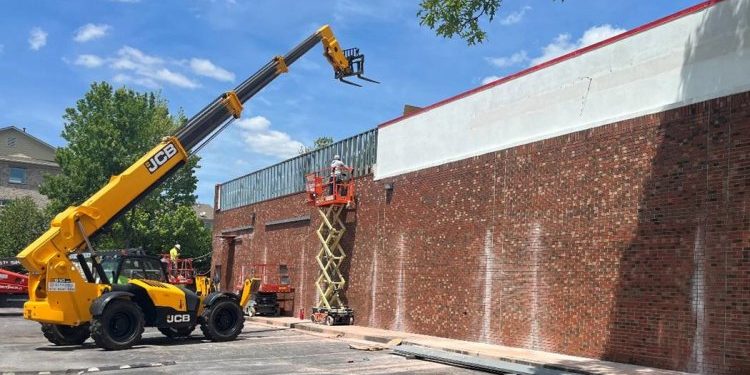
Constructing a core and shell for multiple retail tenants is a complex endeavor that requires careful planning, coordination, and foresight. Whether it’s a mixed-use development, shopping center, or retail plaza, the core and shell serve as the foundation upon which individual tenant spaces are built. In this blog post, we’ll explore the best practices for renovating core and shell spaces that accommodate the diverse needs of multiple retail tenants to include restaurants, cafes, veterinary clinics, basic retail, and more. Photo credit is from a CVS remodel in Johns Creek, GA where the RTF Construction team is bifurcating an 11,000 sf core and shell into 5 separate tenant suites bookended with 2 restaurants, Tim Horton’s and a tenant TBD.
- Flexible Design:
Flexibility is key when constructing core and shell spaces for multiple retail tenants. Designing adaptable floor plans and building systems that can accommodate a variety of retail configurations and layouts allows for greater tenant diversity and future-proofing (e.g., HVAC and electrical configurations that can handle multiple tenant types). Incorporating modular elements, demising walls, and flexible utility infrastructure enables seamless customization to meet the needs of different tenants. - Clear Communication and Coordination:
Effective communication and coordination among stakeholders are essential throughout the construction process. This includes collaborating with architects, engineers, developers, and tenants to ensure alignment on design specifications, construction timelines, and tenant requirements. This should also include coordination with the TI GCs as well. Regular meetings and updates help identify potential conflicts early on and facilitate timely resolution, minimizing delays and cost overruns. - Infrastructure and Utilities:
Properly integrating infrastructure and utilities into the core and shell design is crucial to support the operational needs of retail tenants. This includes electrical, plumbing, HVAC, telecommunications, and fire protection systems. Providing sufficient capacity, redundancy, and flexibility in these systems ensures reliable service and facilitates tenant fit-outs without major modifications to the building’s infrastructure. Coordination with the TI GCs is crucial to ensuring the configuration for each tenant is correct (e.g., stub ups for plumbing, lighting, etc.). - Sustainability and Energy Efficiency:
Incorporating sustainable design principles and energy-efficient features into the core and shell construction can yield long-term benefits for both tenants and the environment. This may include high-performance building envelopes, efficient lighting systems, water-saving fixtures, and renewable energy sources. Pursuing green building certifications such as LEED or ENERGY STAR not only reduces operating costs but also enhances the marketability and value of the property. Additionally, during the demolition phase, preserving iso board and other energy efficiency elements can save construction costs. - Quality Assurance and Testing:
Maintaining high standards of construction quality and conducting thorough testing and commissioning are essential to delivering a reliable and resilient core and shell. Implementing quality assurance protocols, conducting regular site inspections, and performing comprehensive performance testing of building systems help identify and address issues before they escalate. This proactive approach minimizes post-construction defects and ensures a seamless transition to tenant occupancy. - Tenant Coordination and Handover:
Smooth tenant coordination and handover are critical milestones in the construction of core and shell spaces for multiple retail tenants. Establishing clear guidelines for tenant fit-out requirements, lease agreements, and construction schedules fosters a collaborative relationship between the developer and tenants. Providing ample support and assistance during the tenant build-out phase helps streamline the process and ensures that each retail space is delivered according to expectations.
Conclusion:
Constructing core and shell spaces for multiple retail tenants requires careful attention to detail, collaboration, and foresight. By embracing flexible design principles, fostering clear communication and coordination, prioritizing accessibility, and ADA compliance, integrating robust infrastructure and utilities, promoting sustainability and energy efficiency, ensuring quality assurance and testing, and facilitating smooth tenant coordination and handover, developers can create a foundation for retail success. By implementing these best practices, core and shell spaces can serve as vibrant hubs that attract diverse tenants and contribute to thriving retail environments.
For questions regarding RTF General Contractors and how our firm can help you realize your next commercial construction project, please feel free to reach out today.