
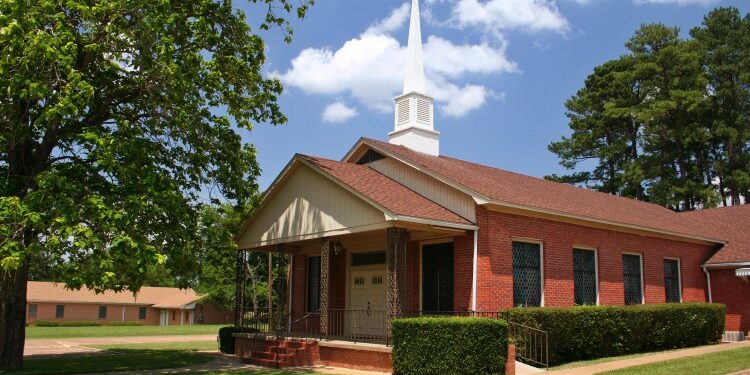
When we think about urban development, we often envision towering skyscrapers, bustling commercial districts, and modern residential spaces. However, one often-overlooked yet vital aspect of a thriving city is its community centers, with churches standing at the heart of many neighborhoods. Church construction goes beyond just erecting a place of worship—it fosters social cohesion, drives economic growth, and enhances the overall fabric of the community.
Churches as Community Anchors
Churches have historically served as more than just places for religious gatherings. They are integral institutions that provide essential services, facilitate social connections, and offer a sense of belonging. In many urban neighborhoods, churches act as stabilizing forces that support individuals and families through outreach programs, counseling services, and educational initiatives.
A well-designed church construction project considers not only the needs of its congregation but also the broader community. This means incorporating multifunctional spaces for events, daycare centers, meeting halls, and even food pantries. By thoughtfully planning and constructing churches with a community-first mindset, builders and developers contribute significantly to the social and cultural landscape of a city.
The Economic Impact of Church Construction
Beyond spiritual and social support, church construction projects also drive economic benefits. When a new church is built or an existing one is expanded, it creates job opportunities for construction workers, architects, designers, and suppliers. Additionally, local businesses benefit from increased foot traffic as congregants and visitors support restaurants, coffee shops, and retail stores in the vicinity.
Churches also attract long-term investment in neighborhoods. A well-established church can increase property values, encourage new housing developments, and contribute to local economic stability. This, in turn, fosters a stronger, more interconnected community where businesses and residents alike can thrive.
Church Design: A Modern Approach to Community Engagement
Modern church construction embraces innovative design principles that align with the evolving needs of urban communities. Today’s churches often incorporate sustainable building practices, energy-efficient designs, and technology-integrated spaces to serve a diverse congregation effectively.
Some key trends in modern church construction include:
- Multipurpose Facilities: Spaces that can be used for various community activities, such as youth programs, fitness classes, and co-working spaces.
- Sustainability: The use of green building materials, solar panels, and efficient lighting systems to minimize environmental impact.
- Accessibility: Ensuring churches are accessible to individuals with disabilities through ramps, elevators, and inclusive seating arrangements.
- Technology Integration: High-quality audio-visual systems, live-streaming capabilities, and smart lighting to enhance worship experiences and community events.
How Church Construction Has Transformed Communities
One example of how church construction has positively impacted urban development can be seen in the revitalization of a historic neighborhood in Atlanta. A once-declining area saw significant improvement after the construction of a modern church facility that not only served as a place of worship but also housed a community center, food bank, and small business incubator.
This project led to:
- Increased community engagement through after-school programs and career workshops.
- Improved safety in the neighborhood, as the church provided a welcoming space for youth and families.
- Greater economic activity as local businesses flourished due to increased traffic in the area.
The Future of Church Construction in Urban Development
As cities continue to grow and evolve, the role of churches in urban development will remain crucial. With thoughtful planning and innovative design, churches can bridge social gaps, provide essential services, and create thriving, inclusive communities.
For those looking to embark on a church construction project, it’s essential to partner with experienced builders who understand the importance of blending architectural excellence with community needs. By doing so, churches will continue to serve as beacons of hope, unity, and progress in urban environments.
To see how RTF Construction has played a role in building impactful church projects, visit our Churches Gallery.