Nearly 20% of independently owned restaurant startups in the US fail within their first year and it’s not always because of the food and service. Developers and owners spend significant resources on market research to determine the optimal location, size, budget, and amenities to ensure success in a very unforgiving industry. For this reason, it’s critical to understand, early in the process, the potential woes that may surface throughout the construction process and torpedo your restaurant before the first meal is plated.
RTF Construction has built 50+ restaurants in the Atlanta metro, including Buffalo Wild Wings, Azotea Cantina, Tasty China, Snooze an AM Eatery, Moe’s, and many more. We are an seasoned restaurant construction company, experienced and knowledgeable in navigating the network of requirements, permits, and inspections leading to the certificate of occupancy and your Grand Opening. RTF has an established 32-year history of working with the best subcontractors in restaurant construction. With their input, we have compiled a list of the unique considerations a developer must contemplate when undertaking a commercial restaurant construction project:
1. Kitchen Design
Commercial restaurant construction requires careful planning and design of the kitchen space. This involves ensuring proper layout, ventilation, equipment placement, and compliance with health and safety regulations.
2. Mechanical, Electrical, and Plumbing (MEP)
Restaurants have specific MEP needs to support the kitchen, dining area, restrooms, and bar (if applicable). These requirements include grease traps, specialized plumbing fixtures, adequate power supply, and lighting arrangements. In our experience, using the lowest bidder and /or lowest prices materials for MEP can and will lead to unnecessary repairs.
3. Code Compliance
Restaurants must comply with various building codes and regulations, including fire safety, accessibility, zoning, and health department guidelines. Meeting these requirements is crucial to ensure food and beverage establishments can operate legally and safely.
4. HVAC and Ventilation
Proper heating, ventilation, and air conditioning (HVAC) systems are essential for maintaining comfortable temperatures, controlling odors, and ensuring air quality within the restaurant. Commercial kitchens often require specialized ventilation systems to remove cooking fumes and prevent the buildup of heat.
5. Interior Design and Aesthetics
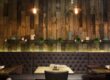
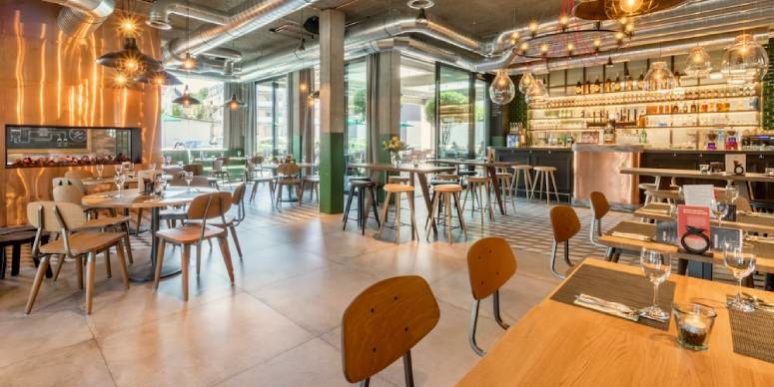
Restaurants typically focus on creating a unique ambiance and atmosphere for their patrons. The interior design elements, such as seating arrangements, lighting, decor, and finishes, play a significant role in establishing the desired ambiance and enhancing the dining experience.
6. Soundproofing
Restaurants often need to minimize noise transmission between different areas, such as the kitchen, dining area, and bar. Soundproofing measures can include acoustic insulation, strategic placement of sound-absorbing materials, and the use of noise-reducing construction techniques.
7. Accessibility
Restaurants must comply with accessibility guidelines to ensure equal access for all patrons, including those with disabilities. This involves providing accessible entrances, restrooms, seating, and circulation paths.
8. Parking
This is your patrons’ first and last engagement with your establishment, so it must have adequate spacing and traffic flow. Furthermore, it’s important consider overflow from adjacent businesses and conditions during peak hours.
These aspects highlight some of the unique considerations involved in commercial restaurant construction. RTF Construction, a veteran restaurant construction company and general contractor, is well poised to tackle your food and beverage project from the ground up or build out your existing space.
For questions regarding RTF General Contractors and how our firm can help you realize your next commercial construction project, please feel free to reach out today.